


Climate change is not only altering physical landscapes, but also how people live and adapt to the natural world. Our environment exerts influence on us just the same as we do on it. As climate impacts increasingly affect housing, employment, and access to resources, one of the most visible human responses is climate migration.
What is Climate Migration?
According to the IOM, climate migration is defined as the movement of people or groups whose main reason for movement, either temporary or permanent, is due to a change in their environment due to climate change.
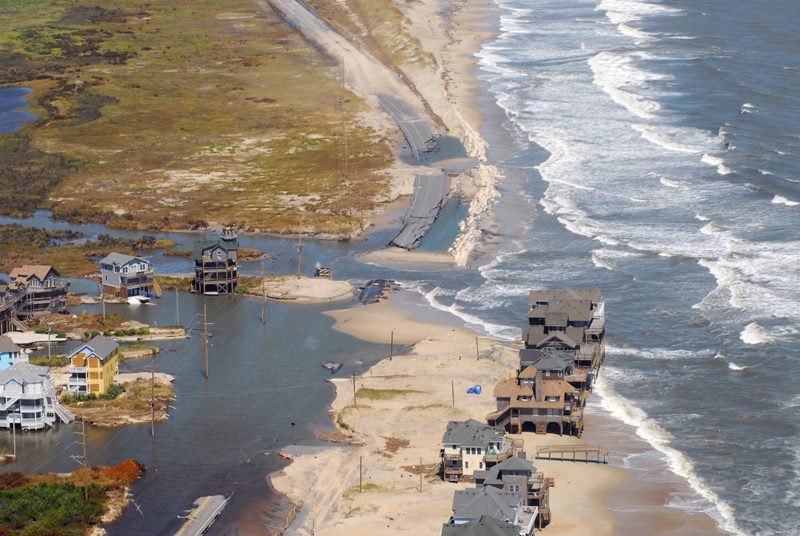
Climate migration can occur for many reasons, ranging from sudden disasters to gradual environmental changes that unfold over decades. When sudden displacement occurs, people may be able to return to their homes, but slow onset events, like sea level rise, may require permanent relocation. North Carolina’s Outer Banks are an example of permanent relocation for some residents as houses are collapsing into the ocean from the shifting shoreline.
Individuals often migrate for a variety of interrelated factors, not just climate alone. For example, a farmer in sub-Saharan Africa may cite financial strain as reason to relocate when really drought and increasing temperatures are impacting harvests and creating that financial strain. This makes it difficult to know how many people may be defined as strictly climate migrants when their reasoning to move may be due to multiple factors.
In our previous blog post, The Human Face of Climate Change: Personal Stories of Climate Migration, you can read more about the different ways climate can impact and shape migration.
Internal Climate Migration
While climate-related movement takes many forms, most climate migration takes place within a person’s own country. The World Bank estimates that by 2050, 216 million people may migrate within their countries due to the effects of climate change. A common trend is people moving from rural to urban areas within their country when climate change renders them unable to maintain their livelihoods, like farming, and access resources. This puts an increased strain on urban infrastructure and resources as more people are forced to move.
Cross-Border Climate Migration
Some environmental changes leave people with no viable options within their country, leading to cross-border migration, when people move from one country to another country. Countries made up of large swaths of coastal land and island nations are especially vulnerable to threats like increasing sea level rise that can impact their entire geographic area. In places like Bangladesh and Tuvalu where sea level rise threatens homes, agricultural land, and drinking water, staying won’t be a choice.
Climate Mobility Inequities
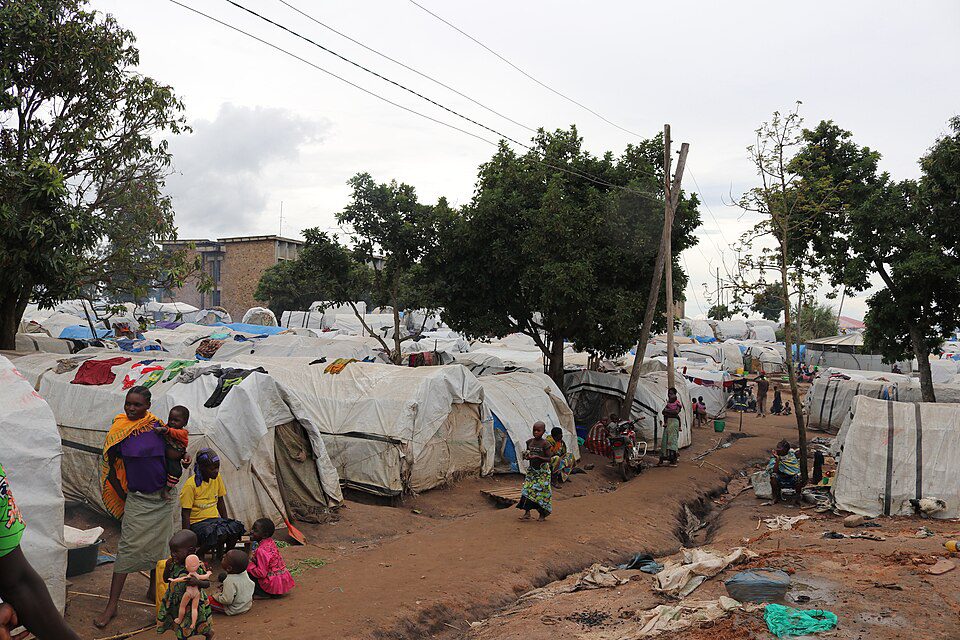
Climate mobility, or the ability to move from the effects of climate change, is not created equal. Individuals with lower socioeconomic status may not have the resources to relocate from areas that are climate vulnerable. They may also be unable to adapt or retrofit their homes to withstand the effects of climate change both sudden and over time. This means that those most vulnerable are often climate immobile. These disparities raise important questions about who can access protection and assistance when climate impacts make relocation unavoidable.
Climate Migrant vs. Climate Refugee: What is the Difference?
The terms climate migrant and climate refugee are often used interchangeably. But are they the same? How are climate migrants and climate refugees different?
As discussed, a climate migrant is broadly understood as someone who leaves their home or community because of the impacts of climate change, including sea level rise, extreme weather events, drought, flooding, or other environmental changes.
The term climate refugee is often used to describe people who are forced to leave their homes because climate-related impacts make it unsafe or impossible to remain there. The term has gained momentum as climate crises intensify, likely to spotlight the fact that people often have no choice but to move in the face of climate impacts. However, “climate refugee” does not currently have a recognized legal definition under international refugee law. As a result, people displaced by climate change generally cannot obtain refugee status solely on climate-related grounds under existing legal frameworks.
This legal gap highlights a broader challenge: current migration and refugee systems were not designed and have not been adapted to address displacement driven by climate and environmental change.
What Policies are in Place to Support Climate Migrants?
Currently, there are no international frameworks or policies in place to support climate migrants. While international frameworks remain limited, some governments have started experimenting with new approaches to support climate-displaced populations.
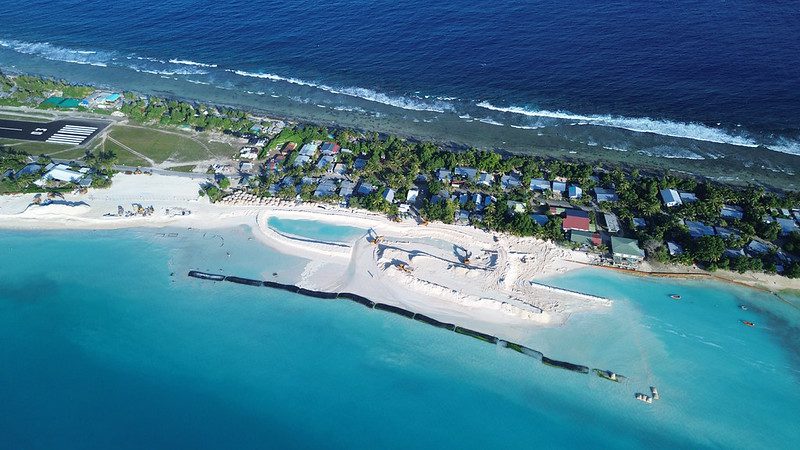
The 2023 Australia-Tuvalu Union grants citizens of the island nation Tuvalu, whose main atoll is predicted to be 50% underwater by 2050, a pathway to permanent residency in Australia. While this bilateral agreement is regionally specific, it offers an example on how to approach climate migration that meets people’s needs and respects individual dignity.
The Future of Climate Migration Policy
As climate impacts intensify, policymakers will need to balance immediate disaster response with long-term planning for relocation, adaptation, and economic resilience. While no comprehensive international framework for climate migration yet exists, emerging agreements such as the Australia-Tuvalu Union offer a glimpse of how governments may address climate migration in ways that protect human dignity, culture, and opportunity. Ultimately, the future of climate migration policy will depend not only on helping people move when necessary, but also on creating conditions that allow communities to adapt and thrive where they are.
Image credits: Outer Banks erosion (South breach area on NC 12 above Rodanthe by NCDOTcommunications is licensed under CC BY 2.0); Tents (Djuulume, CC BY-SA 4.0, via Wikimedia Commons); Tuvalu coast (Funafuti, Tuvalu by UNDP Climate is licensed under CC BY-NC 4.0)
Frequently Asked Questions About Climate Migration
How does climate change affect human migration?
Climate change can influence where and how people live by affecting access to housing, food, water, employment, and other essential resources. Sudden events such as floods, hurricanes, and wildfires can temporarily or permanently displace communities, while slower changes such as drought, rising temperatures, coastal erosion, and sea level rise can gradually make certain areas more difficult to live in.
Climate change is rarely the only reason someone moves. Environmental pressures often interact with economic, social, and political factors, making climate migration complex to measure and predict.
What causes climate migration?
Climate migration can be caused by both sudden disasters and long-term environmental changes. Extreme weather events, flooding, wildfires, and storms may force people to leave quickly, while drought, changing rainfall patterns, rising temperatures, sea level rise, and declining agricultural productivity can gradually affect livelihoods and living conditions.
In many cases, these environmental pressures contribute to other reasons for migration, such as loss of income, food insecurity, or difficulty accessing resources.
How does climate change increase migration to urban areas?
Climate change can contribute to rural-to-urban migration when environmental changes make traditional livelihoods more difficult to maintain. For example, drought, changing rainfall patterns, or extreme temperatures can reduce agricultural productivity and make farming less financially sustainable.
People may then move to cities in search of employment, housing, education, or greater access to resources. As climate-related migration increases, rapidly growing cities may also face additional pressure on housing, infrastructure, transportation, and public services.
Where is climate migration happening?
Climate-related migration is occurring in many parts of the world, particularly in areas exposed to sea level rise, drought, flooding, extreme heat, and other environmental changes.
Coastal regions and island nations face growing risks from rising seas, while communities dependent on agriculture, especially rain-fed/non-irrigated farming, may be especially vulnerable to drought and changing weather patterns. Climate migration can occur within a country or across international borders, although much of today’s climate-related movement takes place internally.
Who is most affected by climate migration?
Communities with fewer financial resources are often more vulnerable to climate-related displacement because they may have fewer options to adapt their homes, protect their livelihoods, or relocate.
People whose income depends heavily on natural resources, such as farmers and fishing communities, can also be particularly affected by environmental change. At the same time, some of the most vulnerable people may be unable to migrate at all because moving requires money, transportation, social networks, and access to safe destinations.
How many people could migrate because of climate change?
There is no single estimate for the total number of future climate migrants because migration decisions are influenced by many overlapping environmental, economic, social, and political factors.
However, the World Bank estimates that climate change could contribute to as many as 216 million people migrating within their own countries by 2050 across the regions included in its analysis. These projections are not predictions of exactly how many people will move, but they illustrate the potential scale of climate-related internal migration.
What are some solutions to climate migration?
Addressing climate migration involves both helping people move safely when relocation becomes necessary and reducing the pressures that force people to leave in the first place.
Potential approaches include investing in climate-resilient infrastructure, improving disaster preparedness, protecting livelihoods, expanding access to housing and public services, and creating planned relocation programs for communities facing long-term environmental risks. Governments may also develop migration pathways and agreements that allow people affected by climate change to relocate safely and legally.
Why is climate migration difficult to predict?
Climate migration is difficult to predict because people rarely move for one reason alone. Climate change can affect employment, food production, housing, health, and access to resources, but migration decisions are also shaped by family connections, financial resources, government policies, conflict, and individual circumstances.
Some people may relocate after a climate-related event, while others may adapt and remain in place. People with fewer resources may even become “climate immobile,” meaning they are exposed to environmental risks but lack the ability to move somewhere safer.