


Resource Overview
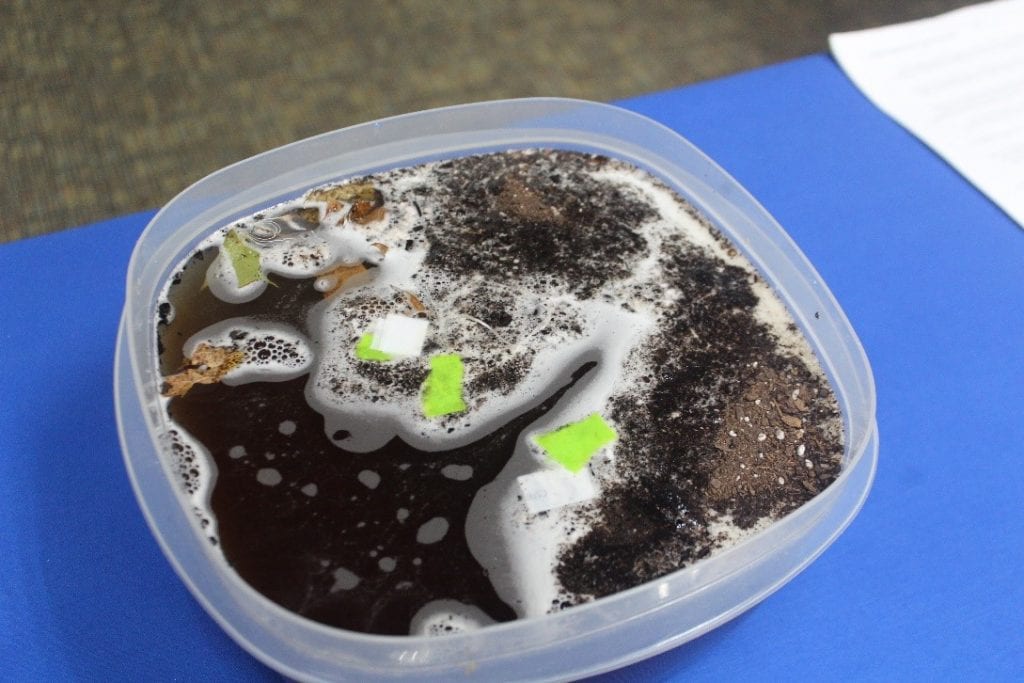
Written and scaffolded for ELL, students experience the pollution of a river over time through an interactive story, and they follow along by completing the narration on their own printed story.
Students will be able to:
- Name two ways that people affect the health of a river.
- Identify how the health and use of rivers has changed over time.
- Propose methods for preventing and cleaning up water pollution.
- Identify vocabulary words relating to river pollution from audio practice.
- Describe geographical features and human activities relating to rivers.
- Answer hypothetical questions about how they would interact with polluted water.
Features of This Resource
- TESOL lesson plan, includes a greater focus on practicing English-language speaking, writing, listening, and reading
- Scaffolded for L2, L3 and L4 levels of language proficiency
- Cooperative learning exercise for young ELLs on water pollution
- Printable vocabulary cards with images provided
How Do I Get This Lesson Plan?
The resource is free. Click the green button for immediate download. Download Now
Other Resources You Might Like:
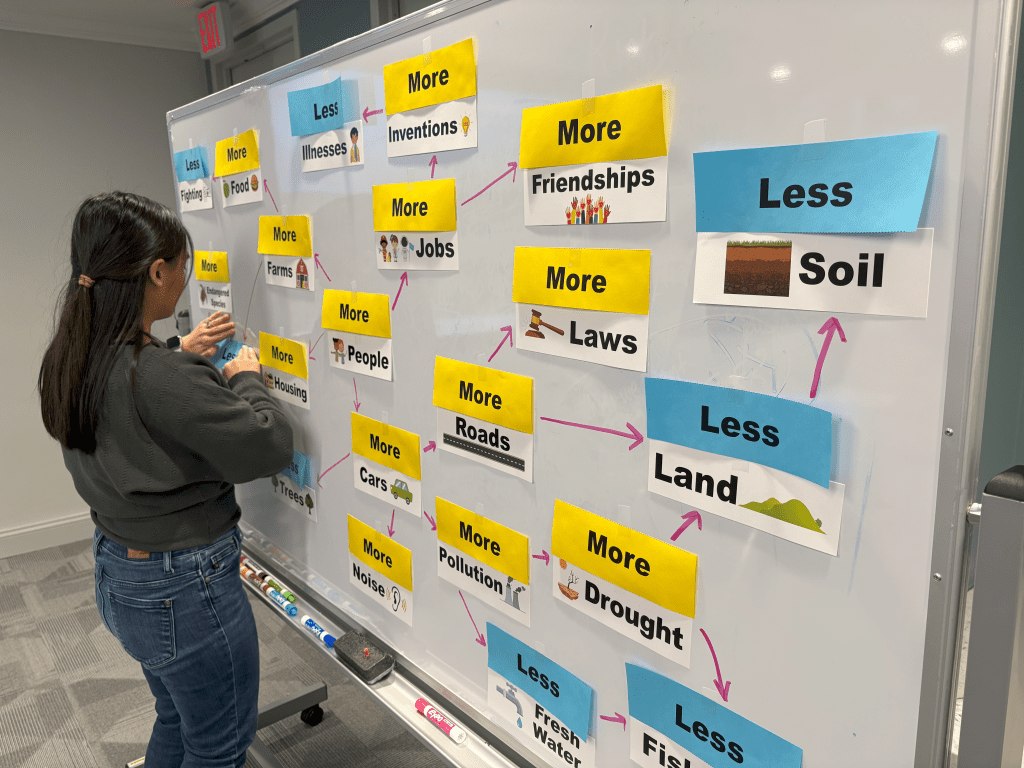
Written and scaffolded for ELL, students construct a word web to show the possible cause and effect relationships of a... Read more »

Written and scaffolded for ELL, students consider environmental dilemmas in small groups and discuss how they would respond. Students will... Read more »
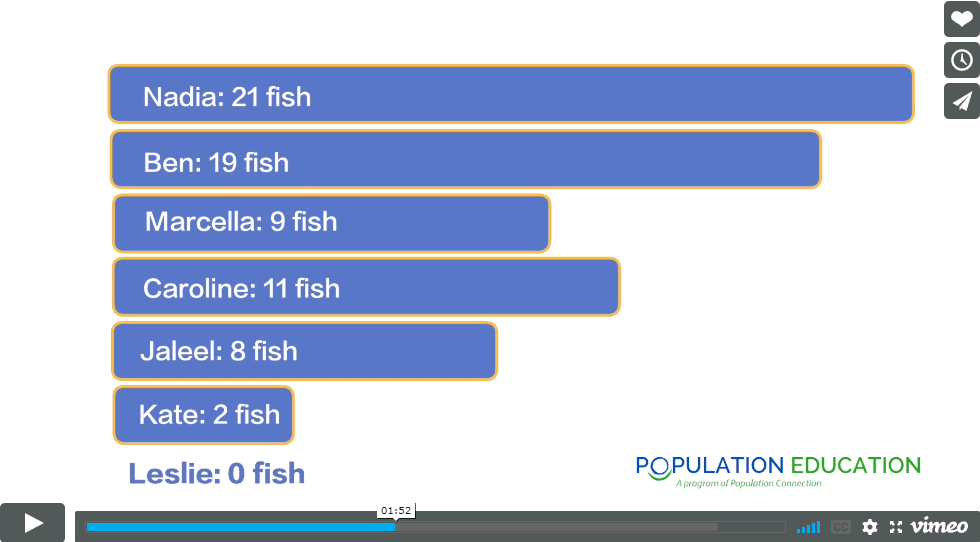
In Go Fish!, students in grades K‑2 engage in a hands‑on resource distribution simulation where they share bowls of goldfish... Read more »
Nice to meet you!
Tell us a bit about yourself so we can continue creating resources that meet your needs.
You’ll only need to fill out this form once. If you’ve already completed the form, you can confirm your email here.