



Every summer Population Education is fortunate to host interns from around the U.S. These students bring their talents and passions to the PopEd program by completing a wide variety of projects. The following blog was written by one of PopEd’s 2026 summer interns.
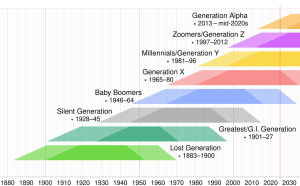
Generation Z kids, born roughly 1997–2012, are now between the ages of 14 and 29 years old. This generation is known for many things across the board, plenty of which give them a bad rap, especially in an educational setting. These Gen Z students are taught by teachers from a variety of older generations, from millennials to boomers. This generational gap can lead to major dissonance as a teacher trying to communicate and instruct kids growing up in a whole other time. Some might even go as far as saying it’s like Gen Zers are from another planet! After all, it is true that so much has changed in the 15 years since the youngest members of Gen Z were born.
As a proud member of Generation Z – born in 2006 and now a rising junior at Duke University – I am here to help. In this blog, I’ll share a ton of information that will help you and your fellow teachers keep up with me and my generation.
So what exactly is so different about Gen Z?
Well, for starters, Gen Z is the first generation to grow up fully immersed in and accustomed to the internet. They have never known a time without phones or social media. This fundamentally shapes how they process information.
Gen Z has a Short Attention Span
Gen Z students are known for their short attention spans, averaging about only 6.8 seconds. They are so used to scrolling on social media and getting quick bursts of entertainment to achieve that dopamine hit they so desperately crave. This habit is so addicting that it is hard to keep these students engaged for long periods of time.
Tips to Engage Gen Z in the Classroom
- Remember they are visual learners and like bite-size content.
- Give frequent breaks between lessons so students can have time to digest the information and discuss it with peers before moving on.
- Make lessons as interactive as possible where students have the opportunity to engage with the material in real life.
- Bonus points if you can get kids out of their seats and moving around the classroom!
- Instead of shaming their phone usage in educational settings, embrace it.
- Make sure kids have an understanding of where phones should be during instruction, but then ensure them they will have time to use it as a tool to assist their learning as well.
- Games like Kahoot, Quizlet, or Blooket played on their phones/computers can be super engaging for kids in Gen Z to practice what they’ve learned and test their knowledge.
 Heavy Social Media Usage
Generation Z are digital natives in an age where people are constantly posting the best version of themselves on social media, appearing one way, when in reality, things may be very different. Remind them of this. This helps students stop the comparison game that can so easily happen in the classroom setting and instead focus on their own learning. At the same time, because social media can be so fake, Gen Z truly values authenticity and transparency.
Tips for Gen Z’s Social Media Use
- Encourage them to embrace their true self reminding them your classroom is a safe place where they won’t be judged.
- Celebrate student’s differences and stress how everyone was made with their own unique features and stories. Give them space to share those openly!
- Ground them in the truth that not everything you see online is true and that other people’s lives may not be as perfect as they seem.
- Don’t be afraid to show them how you too sometimes mess up and make mistakes, and that that is okay! They need to be encouraged to step out of their comfort zone and try new things and know that it is normal to fail.
COVID-19 Impacts on Gen Z
The COVID-19 pandemic took a major toll on Gen Z. They are the youngest generation to remember both pre- and post-pandemic life and fully experience school online while being isolated from friends. School closures and remote learning definitely caused an educational disruption.
Moreover, Gen Z heavily relies on learning from their peers and values thoughtful collaboration. But, because of the pandemic, lots of this happened digitally for a long time, impacting kids’ social skills and creating a dependency on technology to communicate.
Tips to Help Gen Z Catch Up Post-COVID
- Be cognizant that there may be some major educational gaps that might have not laid quite as strong a foundation as kids in the past.
- Take extra time at the beginning of each school year to survey students’ skill levels and refresh information that might have been missed.
- Incorporate group work within the classroom on certain assignments
- Activities with icebreakers like “this or that” games can help spark great conversation.
Still, keep in mind the limitations and inexperience some students might have when doing these activities or speaking aloud in front of the class.
Gen Z and Mental Health
There is a big emphasis on mental health within the Gen Z generation. Anxiety, depression, and needing mental health support is common, especially in the wake of COVID-19. It is important to encourage students to reach out if they need help and normalize mental health needs, especially within the classroom. As teachers, you are often the first line of support for noticing when kids are acting off or like something might be wrong.
Tips for Supporting Gen Z’s Mental Health
- Teach standard practices of how to manage anxiety for better grounding during stressful classroom times, as it is something that affects over 60% of Gen Z.
- Educate yourself on how to deal with and spot signs of mental health struggles.
- Have resources readily available – school psychologists/counselors can be a great tool for this as well.
- Take a moment to consider students’ unique circumstances and situational factors, such as their environment outside school, that may affect their learning before jumping to conclusions on behavior.
- For example, instead of judging a student as lazy or unprepared for turning in an assignment late, think of what could be going on in their home life or personal struggles that could have impacted their ability to do the work such as needing to take care of a sibling or work a job.
Your Gen Z Students are Motivated & Pragmatic
Finally, it is important to note that Gen Zers are pragmatic. They want to know the purpose behind an assignment rather than just do busy work. They are curious about why things are a certain way and how their learning can be applied to the real world.
Tips for Tapping into Gen Z’s Motivation
- Give Gen Zers real world scenarios/problems that could affect their lives today.
- Include a focus on career centered learning. Members of Gen Z are already looking ahead and curious how what they see in class will translate into future work. This will give them a head start!
- Come up with engaging and fun ways to test their knowledge.
- For example, instead of just having them write essays or create a presentation, have them write podcast scripts or video essays.
Final Warning to Teachers: Gen Z and the Internet
 Now, teachers, let’s not be naive. These Gen Z students are incredibly tech savvy and have way more experience with the internet than you probably do. They will inevitably try to find a way to work around or cheat the system. Here are some ways you can stay on fair playing ground with them in their ever changing digital environment:
- Set clear expectations with what is allowed regarding their internet access in the classroom and for assignments.
- Take extra precautions when possible to lock down their browsers during online exams and state rules on when it is appropriate to use digital resources.
- Keep yourself up to date on the tools kids are using to assist themselves in their learning and while doing school work.
These Gen Zers are fun, spunky, motivated, and ready to change the world. As an educator it is important to know how to best connect with Gen Z students and prime yourself with their customs to be best prepared to teach them. Embrace Generation Z for all they have to offer, and get ready to see the world flourish as they step out of the classrooms and into the real world, knowing their foundation starts with you.
FAQ for Educators on Gen Z
How can teachers better understand and engage Gen Z students?
Teachers can better understand and engage Gen Z students by recognizing that they are digital natives who value authenticity, collaboration, visual learning, and real-world relevance. Interactive lessons, meaningful discussions, educational technology, and opportunities for student choice help increase engagement and participation.
What are the best classroom management strategies tailored for Gen Z learners?
The best classroom management strategies tailored for Gen Z learners focus on engagement rather than control. Clear expectations, consistent routines, collaborative activities, movement breaks, and purposeful technology use help create a positive learning environment while keeping students motivated and focused.
What motivates Gen Z students to participate in class?
Gen Z students are motivated by lessons that feel relevant to their lives and future careers. Real-world examples, project-based learning, creative assignments, and opportunities to solve authentic problems encourage higher participation and deeper engagement.
What are effective digital teaching methods for Gen Z classrooms?
Effective digital teaching methods for Gen Z classrooms include gamified quizzes, interactive presentations, collaborative online documents, educational videos, multimedia projects, and classroom technology platforms such as Kahoot!, Quizizz, Quizlet, and Google Classroom. These methods support active participation rather than passive learning.
What are the best Gen Z teaching strategies for high school and middle school?
Effective Gen Z teaching strategies for high school and middle school include project-based learning, collaborative discussions, technology-enhanced instruction, frequent feedback, movement-based activities, and assignments that encourage creativity and critical thinking.
How do Gen Z learning styles differ from Millennials?
Gen Z learning styles differ from Millennials because Gen Z has grown up with smartphones, social media, and instant access to information. They often prefer visual content, interactive experiences, immediate feedback, and personalized learning opportunities.
Which classroom technology tools resonate with Gen Z learners?
Classroom technology tools that resonate with Gen Z learners include Kahoot!, Quizizz, Quizlet, Blooket, Nearpod, Canva, Google Classroom, Padlet, and Flip. These platforms encourage participation, collaboration, and active learning while supporting a variety of teaching styles.
Image credits: Generation timeline (Rich Farmbrough, CC BY-SA 4.0, via Wikimedia Commons); Child holding phone (Photo by Alex P); Student in library (Photo by Zoshua Colah on Unsplash)