



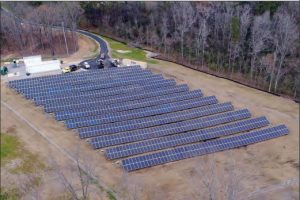
 About one-third of the U.S. population lives in energy poverty and has an unstable, unreliable, or unaffordable energy source. This is despite the fact that 100% of the United States has access to energy, meaning that the option of an energy source is physically there. Currently, energy poverty in the U.S. is on the rise as natural disasters, climate change, and data center energy use puts a strain on the grid.
In this blog, we will look at energy poverty trends in the U.S. and examine one potential solution: microgrids.
Definition of energy poverty: Energy poverty is the lack of access to affordable, reliable, and modern energy services needed to meet basic household needs, such as heating, cooling, lighting, cooking, and powering essential devices. It can affect people who have no access to energy at all, as well as those who have access but cannot afford to use it adequately.
High Energy Prices Cause Energy Poverty
A predominant limitation of people’s ability to meet their household energy needs is high energy prices. Because of the rising financial burden of energy, one out of six U.S. households owe about $800 in outstanding energy bills, amounting to a total of over $16 billion.
The average household in the U.S. spends 3% of their income on energy. Once a household is spending 6% or more of their income on energy, the household is considered to be energy poor. A majority of households in the U.S. that fall at or above the energy poverty threshold are located in the South. Households that are energy poor are forced to then choose between paying for energy that keeps their homes from being unsafe temperatures or paying for necessities like food and medicine.
Flawed Energy Assistance Programs
While there are some federal assistance programs designed to help pay energy bills, there are several flaws to the programs that make them less effective than desired. Not only are energy assistance programs underfunded and operating under other constraints, but the funding is set up so that the Northern parts of the U.S. are given priority. Energy assistance prioritizes northern states due to their historically cold winters that require higher amounts of energy for buildings to be warmed. However, climate change has caused a shift in where extreme weather and temperatures are problematic within the U.S. Southern states have been experiencing unprecedented heat and natural disasters that put a burden on the energy grid.
What Initiatives Are Most Effective in Reducing Energy Poverty?
A variety of energy poverty solutions are being discussed to tackle this growing concern in the U.S. Some solutions to U.S. energy poverty include: percentage-of-income payment plans (PIPPs), low-income discount rates, arrearage management plans (AMP), low-income energy efficiency, and minigrids (or microgrids).
Let’s dive into what microgrid projects are doing for U.S. energy access and energy poverty rates.
Solar Panel Microgrids
There are many microgrid projects underway in the U.S. that are reducing energy costs, creating more resilient communities in times of natural disaster, providing energy to outage-prone native communities, and even assisting in military security.
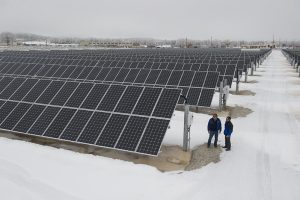
I recently had the pleasure of speaking with an employee, who I will refer to as John, that is working on microgrid projects in a southern U.S. state and shared his thoughts on the impact he sees microgrids having in the communities he works with.
A Community-Centered Approach to Energy Security
John is part of a team working on an energy resiliency initiative, with the goal of improving energy security and resiliency in times of need and in areas that historically experience energy instability. The initiative takes a community-centered approach that targets essential local establishments like schools, healthcare centers, and community centers, and installs/reinforces solar panel microgrids with energy storage. The goal being that during cold snaps, heat waves, tropical storms, hurricanes, or any big event that puts a strain on the energy source, the microgrid will produce and store energy that the community can rely on. Directly involving the community in the solution to their energy problem is a great way to ensure that their needs are being met. It also creates both well-paying and sustainable jobs for community members.
How to Choose Microgrid Locations
In order to best identify geographic areas that could use their help, John and his team utilize maps looking at latest power outages under typical circumstances as well as outages during past natural disasters. This allows them to find areas most prone to power disruptions. They also look at the cost of energy and the energy burden in different areas.
Looking at data year-round, rather than exclusively in times of need, is helpful because the buildings and surrounding communities that host solar panel microgrids are able to use the energy regularly. This can bring down costs. For example, John said, “there is an organization that already has over a dozen microgrids that has reduced their energy costs by 90%.” Additionally, if a microgrid makes more energy than they can use, “some are able to sell it back to the larger energy provider and bank that money for when they need to purchase more energy from the grid.”
Microgrids Create Stability After Disasters
Microgrids not only bolster energy stability in an area, but they strengthen a community’s faith in their ability to help and support their people. “The worst of a hurricane is not the hurricane itself” explains John, “but the weeks after with the loss of power and the rebuilding that now has to be done. This is when people who have made the decision to evacuate for a hurricane may choose to never come back, even if they love a place and don’t want to leave. The energy loss destabilizes communities and we see a population outflow because of that.” In places like Puerto Rico, where some areas lost power for almost a year after Hurricane Maria, the largest blackout in U.S. history, microgrids would give them the ability to better weather future storms.
Preparing for Energy Lost to AI Data Centers
John and his team are not only working to resolve existing energy crises, but are also taking into consideration looming development that could (and already is in some places) worsen their state’s energy circumstances. John said “there is the potential for new AI centers to be placed in certain parts of the state which will drain the energy grid there. We are preparing for the consequences there and the possibility that some people will rely on the microgrids to make up for the lack of energy.”
Federal Support for Solar Microgrids
While they may seem like a small effort, there was a federal push for microgrids with the Biden administration promising $7.6 billion to grid resilience and innovation projects. And, despite cutting a large portion of this funding, the current administration has dedicated a small portion of funds to microgrid projects.
When asked about any consequences for solar powered microgrids that might result from the Trump administration’s cuts to incentives for solar power, John said: “That is still up in the air. I think there is a push that is so cultural in a way as they are still trying to pander to oil and gas corporations but they have the data and they know oil and gas is not the direction we need to go in. Natural gas is still a direction they are pushing, nuclear as well because, even though it is extremely expensive, it is likely our best chance to get to net zero. The new administration is worried about energy security because if the grid is unreliable, we’re more susceptible to cyber attacks so I think they’re also trying to see it through the lens of national security.”
An Energy Secure Future in the U.S.
While energy poverty is a growing concern, efforts such as these microgrid installations are emerging to work towards combatting the challenge. By empowering communities with energy autonomy and advocating for a transition to sustainable energy sources, a shift can be made towards a more energy secure future.
Frequently Asked Questions (FAQs)
What is energy poverty?
Energy poverty occurs when households cannot afford or reliably access the energy needed for basic needs like heating, cooling, lighting, and powering essential appliances.
How common is energy poverty in the United States?
Energy poverty affects a significant portion of the U.S. population, with many households spending a high percentage of their income on energy or struggling with unpaid utility bills.
What are microgrids and how do they work?
Microgrids are localized energy systems that can generate and store power – often using solar panels and batteries – and operate independently or alongside the main grid.
How can microgrids help reduce energy poverty?
Microgrids can lower energy costs, provide reliable power during outages, and increase energy independence for communities, especially in vulnerable or disaster-prone areas.
Are microgrids only useful during emergencies?
No, microgrids provide everyday benefits by reducing energy costs and improving efficiency, while also offering backup power during extreme weather or grid failures.
Who benefits most from microgrid projects?
Low-income households, rural communities, and areas prone to outages or natural disasters benefit the most from microgrid installations.
What is the future of microgrids in the U.S.?
Microgrids are expected to play a growing role in improving grid resilience, supporting renewable energy adoption, and helping address energy poverty as demand for reliable power increases.
Image credits: Microgrid at Alabama Power’s Smart Neighborhood (Oak Ridge National Laboratory, CC BY 2.0, via Wikimedia Commons); Idaho National Laboratory employees consulting on a microgrid at Utah’s Dugway Proving Ground (P-8701-033 by Idaho National Laboratory is licensed under CC BY 2.0); Microgrid testing and analysis (P-8502-14 by Idaho National Laboratory is licensed under CC BY 2.0.)