



Every summer Population Education is fortunate to host interns from around the U.S. These students bring their talents and passions to the PopEd program by completing a wide variety of projects. The following blog was written by one of PopEd’s 2026 summer interns.
Every single day, thousands of individuals pack their bags, leave the farmland or quiet village where they grew up, and head toward the glowing lights and crowded streets of a major city. This movement, known as rural to urban migration, is one of the most powerful demographic forces shaping our world today.
From expanding megacities in Asia and sub-Saharan Africa to the historical growth of industrial hubs in Europe and Northern America, the shift from the countryside to city life has redefined economies, family structures, and the global environment.
In this blog post, we will break down exactly what is rural to urban migration, explore real-world examples of rural-urban migration, and examine the major urbanization causes and effects at play today that local governments and communities must face.
-
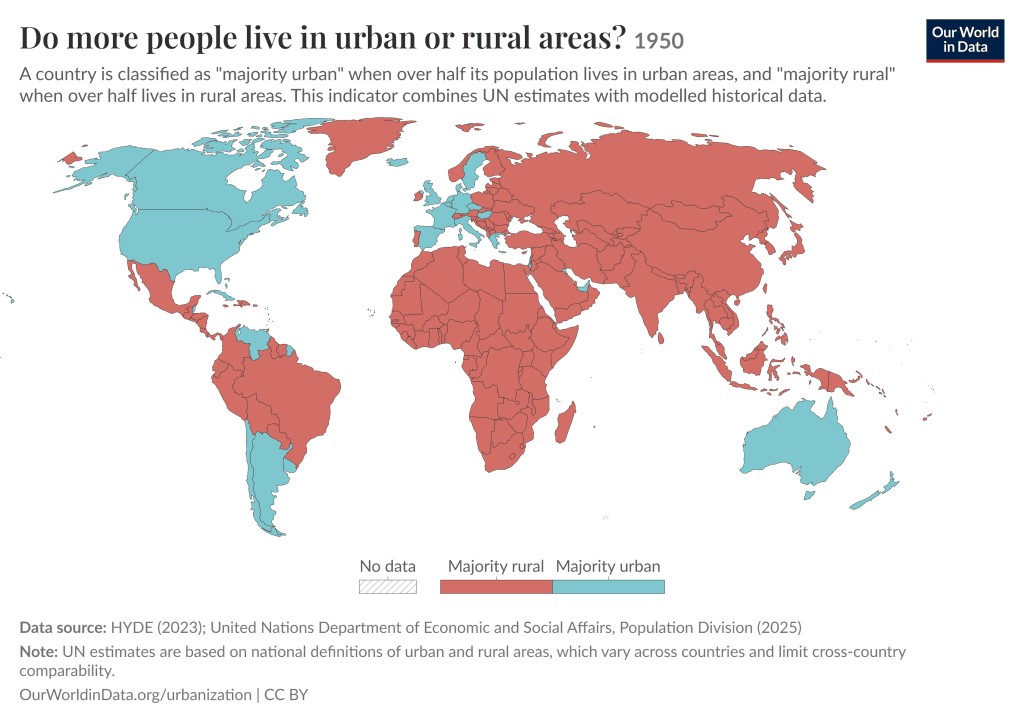
- Do more people live in urban (blue) or urban (red) areas? 1950
-
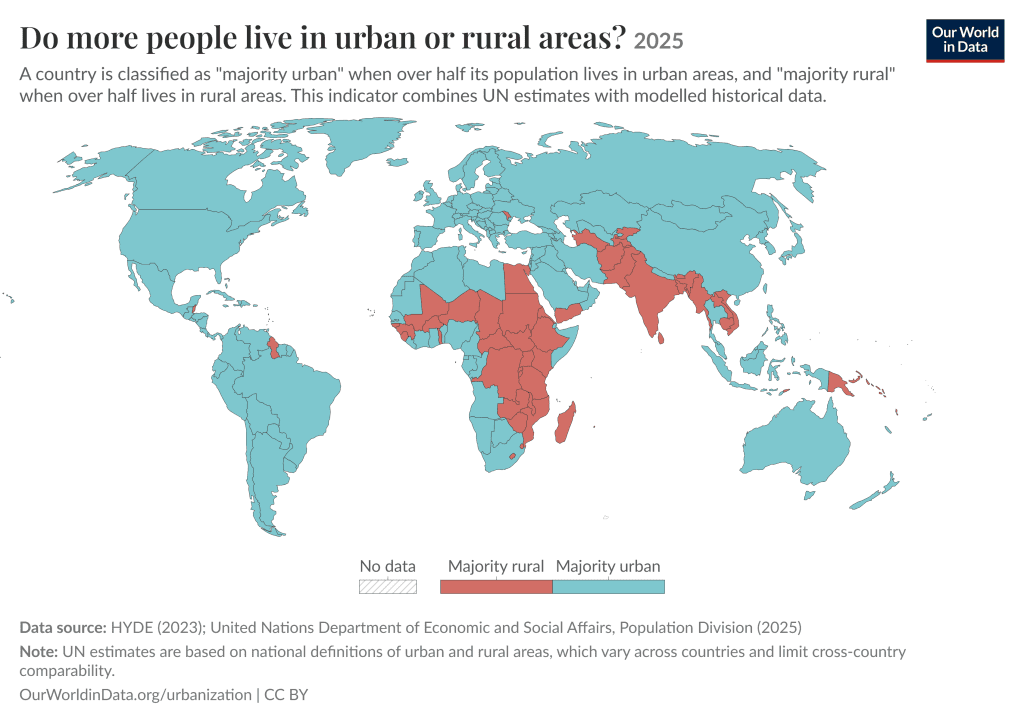
- Do more people live in urban (blue) or urban (red) areas? 2025
Defining Rural to Urban Migration
Rural to urban migration is defined by the UN as the physical movement of people from rural areas to urban areas with the intention of settling there temporarily or permanently. Rural areas include the countryside, agricultural zones, or small villages and urban destinations include towns, cities, and metropolitan centers. Rural to urban migration is the primary driver behind urbanization – the increasing percentage of a country or region’s total population living in urban centers. While natural population growth contributes to some urban expansion, internal migration from countryside to town is what fuels the rapid transformation of small towns into bustling metropolises.
Who Are Rural to Urban Migrants?
Rural to urban migrants are not a single uniform group. Historically, researchers viewed migrants primarily as young men moving to find manual industrial labor. However, today’s migrants include diverse groups such as:
- Economic Seekers: Young professionals, seasonal farmhands, and laborers searching for higher wages in manufacturing, construction, or technology service sectors.
- Students and Scholars: Young adults moving to attend universities or vocational institutes concentrated in regional capitals.
- Families and Women: Women seeking independent employment in manufacturing and service industries.
- Environmental and Climate Migrants: Farmers and villagers displaced by prolonged droughts, soil degradation, or rising sea levels.
Real-World Rural to Urban Migration Examples
Examining a rural to urban migration example helps put human stories behind abstract statistics. Here are three prominent historical and contemporary rural to urban migration examples.
1. The Great Migration in the United States (1916 to 1970)
Between 1916 and 1970, over six million Black Americans moved from the rural, agricultural American South to industrial cities in the North and West including Chicago, Detroit, New York, and Philadelphia. Driven by rural poverty, agricultural mechanization, and severe social inequality, the Great Migration dramatically altered American culture, politics, and urban demographics.
2. China’s Economic Boom and the Hukou System
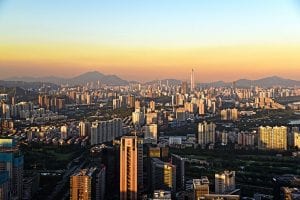
Over the past four decades, China experienced the largest human migration in history. Hundreds of millions of farmers moved from inland rural villages to coastal manufacturing hubs like Shenzhen, Guangzhou, and Shanghai. Shenzhen transformed from a fishing village of 30,000 in 1979 into a high tech megacity of over 17 million people today.
3. Rapid Urbanization in Sub-Saharan Africa
Today, sub-Saharan Africa is one of the fastest urbanizing regions globally. In Nigeria, thousands move daily from agricultural states into Lagos, which serves as West Africa’s economic engine. Driven by agricultural challenges and the search for formal or informal employment, this migration has propelled Lagos from a modest coastal town into a sprawling megacity home to over 15 million residents.
Urbanization Causes and Effects
Why do people leave the countryside, and what happens when millions arrive in cities all at once? The dynamics come down to key rural push factors, urban pull factors, and systemic consequences.
Push Factors: Why Do People Leave the Countryside?
- Lack of job diversity and low agricultural yield
- Limited schooling options and fewer hospitals
- Environmental degradation (i.e. drought, crop failure, and soil erosion)
- Poor connectivity with limited power and internet access
Pull Factors: What Attracts People to Cities?
- Diverse job market and higher average income
- Easy access to education and specialized universities
- Strong public health with access to clean water, sanitation and advanced medical care
- Stable infrastructure with reliable public transport and modern utilities
The Effects of Urbanization: Opportunities and Challenges
Urbanization driven by migration creates a dual dynamic of massive economic opportunity alongside severe public planning challenges:
Positive Effects of Urbanization
- Economic Productivity: The density of workers and industries can drive innovation and growth in GDP. (World Bank, 2020)
- Higher Living Standards: Urban populations consistently have higher access to clean drinking water, electricity, and sanitation compared to rural peers. (Our World in Data, 2021)
- Remittances to Rural Areas: Migrants working in cities send earnings back home, directly supporting rural household nutrition, schooling, and small farm investments.
- Shifts Toward Smaller Family Sizes: Higher living expenses, greater female educational attainment, and career opportunities in urban environments lead to delayed marriages and smaller average household sizes. (UN Population Division, 2019)
Negative Effects of Urbanization
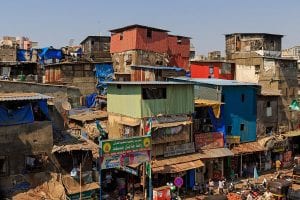
- Housing Shortage and Informal Settlements: Rapid migration can outpace affordable housing production, leading to the expansion of informal settlements and slums. (UN Habitat, 2022)
- Infrastructure Strain: Public transit, water grids, and healthcare facilities can face overcrowding and underfunding.
- Brain Drain in Rural Areas: As young and educated adults leave, rural communities face an aging workforce and declining local tax bases.
Conclusion
Rural to urban migration is far more than simple movement. While it poses significant challenges for urban planning and local infrastructure, well-managed cities offer unmatched pathways out of poverty and avenues for innovation.
Looking ahead, global urbanization projections from the UN indicate that nearly 70 percent of the world population will live in urban areas by 2050. As the number of urban dwellers grows, local governments and city planners will need to prioritize sustainable infrastructure, resilient affordable housing, green transportation networks, and equitable social services to ensure that expanding cities remain livable, inclusive, and prepared for future climate realities.
FAQ: Rural to Urban Migration
What is rural to urban migration?
Rural to urban migration is the movement of people from rural areas, such as villages, agricultural regions, and the countryside, to towns and cities. People may relocate temporarily or permanently in search of employment, education, healthcare, and other opportunities.
What are the main causes of rural to urban migration?
The main causes include both push and pull factors. Rural push factors can include limited employment, low agricultural productivity, poor access to education and healthcare, and environmental challenges. Urban areas may attract migrants through higher wages, more diverse jobs, better infrastructure, universities, and public services.
What is an example of rural to urban migration?
One major example is China’s rapid urbanization over the past several decades, during which millions of people moved from rural communities to growing industrial and economic centers such as Shenzhen, Guangzhou, and Shanghai. Another historical example is the Great Migration in the United States.
What are the positive effects of rural to urban migration?
Rural to urban migration can contribute to economic growth, higher productivity, improved access to services, and increased employment opportunities. Migrants may also send money back to rural households, supporting education, food security, and local investment.
What are the negative effects of rural to urban migration?
Rapid migration can place pressure on housing, transportation, healthcare, water systems, and other urban infrastructure. It can also contribute to overcrowding and informal settlements, while rural communities may lose younger and more highly educated members of their population.
How does rural to urban migration affect urbanization?
Rural to urban migration contributes to urbanization by increasing the number and proportion of people living in towns and cities. When migration occurs rapidly, smaller urban centers can grow into large metropolitan areas and megacities.
Image credits: Choropleth maps (Do more people live in urban or rural areas? 1950 and 2025 by Our World in Data); Shenzhen skyline (Simbaxu, CC BY-SA 4.0, via Wikimedia Commons); Slum in Mumbai (A.Savin, FAL, via Wikimedia Commons)
