



Every summer Population Education is fortunate to host interns from around the U.S. These students bring their talents and passions to the PopEd program by completing a wide variety of projects. The following blog was written by one of PopEd’s 2026 summer interns.
 The way the world uses energy is undergoing a massive structural shift. Total global energy demand grew by 1.3% last year, hitting a brand new high. But looking closely at the data reveals that our global appetite for power is no longer growing uniformly across traditional sectors like transport, heavy industry, and buildings. Instead, we have officially entered the “Age of Electricity.”
While overall energy demand grew modestly, global electricity consumption skyrocketed by roughly 3%, growing more than twice as fast as our total energy use (IEA, 2025). As we rapidly electrify everything from the cars we drive to the ways we heat our homes, a massive question remains: What power sources are stepping up to feed this immense strain on the electrical grid?
In this blog, we will unpack the current breakdown of the global energy mix, the major forces driving this relentless demand, and how sustainable energy is fairing against fossil fuels on the global stage.
Understanding the Basics: Primary Energy vs. Electricity Generation
To understand global energy trends, it helps to distinguish between two concepts that often get lumped together:
- Primary Energy: This is the raw, un-transformed energy found in nature before it is processed. Think crude oil, unmined coal, natural gas, sunlight, and uranium. We use these raw sources for things such as refining crude oil into gasoline for traditional cars, burning natural gas to heat our homes or cook food on a stove, and using coal to fuel heavy industrial manufacturing plants.
- Electricity Generation: This is a secondary energy source and is created by converting those primary sources. For example: when electrical power is created by burning coal or capturing sunlight with a solar panel. This is the energy that flows through power lines to our homes and classrooms to run our refrigerators, charge our phones, light up smartboards, and keep air conditioners running.
The renewable energy transition accelerated significantly throughout 2025. The year’s biggest renewable energy trends in 2025 included record solar deployment, renewables overtaking coal in global electricity generation, growing investments in clean technologies, and rapidly rising electricity demand driven by artificial intelligence, electric vehicles, and electrification across industries.
The Big Shift: The Global Energy Mix
Fossil fuels still account for the majority of total global energy use, but a historic milestone occurred in the power sector. Data from recent global power sector reviews shows that the combined total of all renewable energy sources (including solar, wind, hydro, and bioenergy) has officially overtaken coal to become the single largest source of electricity generation on Earth. It is a massive turning point, though it is worth noting this compares the entire umbrella of green tech against just one specific type of fossil fuel.
| Chart of Global Electricity Sources | ||
| Power Source | Share of Global Electricity Generation | Key Dynamic |
| Renewables (Solar, Wind, Hydro, etc.) | 33.8% | Overtook coal for the first time in modern history (Ember, 2025). |
| Coal | 33.0% | Fell to second place due to massive clean energy displacement in major economies. |
| Natural Gas & Other Fossil Fuels | 24.4% | Served as a temporary “bridge” source to keep power grids stable and prevent blackouts when solar or wind power fluctuated. |
| Nuclear Energy | 8.8% | Supported by reactor restarts and new infrastructure builds. |
While renewables won the crown for electricity generation, looking at our total primary energy supply reveals a slower transition. When factoring in industrial manufacturing and fuel for traditional combustion-engine vehicles, oil and gas still command a heavy footprint, though their growth is slowing down significantly.
What is Driving the Surge in Global Demand for Electricity?
The rapid escalation of electricity use boils down to a few major technological and human drivers that are actively reshaping our world.
1. The Proliferation of Data Centers and AI
The computing infrastructure required to power artificial intelligence and massive cloud storage networks has become a primary driver of modern grid strain.
In advanced economies like the United States, data center energy consumption alone reached an estimated 700 terawatt-hours (TWh). Data center expansion is now projected to account for nearly half of all U.S. electricity demand growth through the end of the decade.

An AI hub and data center under construction in Ohio, 2025.
2. The Global EV Boom
Electric vehicles (EVs) are no longer a niche market; they are a massive macroeconomic force. Global electric car sales jumped by more than 20% in 2025 compared to the previous year, crossing over 20 million units sold worldwide. Today, roughly one in four new cars sold globally plugs into the grid. While this massive shift to EVs successfully suppressed global oil demand growth, it has transferred that energy burden directly onto local electrical grids.
3. Climate Adjustments and Space Cooling
As global temperatures remain highly volatile, the human need for localized adaptation is spiking. The rapid adoption of home appliances and air conditioning units, particularly in developing economies across Asia, created immense grid surges. During severe summer heatwaves, peak electricity loads smashed historic records, proving that climate change is directly impacting how much energy we need just to stay safe and comfortable.
The Efficiency Paradox: Even though we are consuming more electricity, global energy intensity – the amount of energy used per unit of economic output – improved by nearly 2% last year. Moving away from burning coal and oil toward highly efficient electric heat pumps and solar panels means we are wasting less raw energy as heat, allowing economies to grow while using energy more smartly.
The Shift Toward Sustainable Energy
The most encouraging energy trend in 2025 was that clean energy completely covered the world’s incremental power needs. The entire net increase in global electricity demand was met successfully by low-emissions sources.
Solar photovoltaics (PV) had a blockbuster year, posting a record increase of 600 TWh. This single-year expansion is the largest structural increase ever recorded for any electricity technology in human history. In fact, solar power alone accounted for more than 25% of the total growth in global primary energy supply, marking the first time a modern renewable source has led global energy supply expansion.
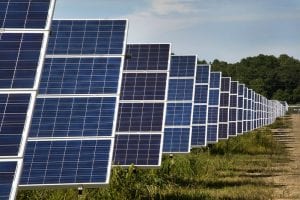
Global investments in renewable energy reached record levels during 2025. Capital flowed primarily toward solar energy, battery storage, transmission infrastructure, and grid modernization as governments and private investors responded to rapidly growing electricity demand. Investment priorities increasingly shifted from simply adding renewable capacity toward building resilient, flexible electricity systems.
Regional Energy Trends in 2025
While the shift toward sustainability is a global phenomenon, the execution varies wildly depending on where you look:
- China: China remains the undisputed leader in both energy consumption and sustainable investment, pouring $800 billion into clean energy. Even though its annual electricity demand surged by a massive 7%, the staggering deployment of solar and wind allowed its power sector’s greenhouse gas emissions to decline, showing that its economy could grow while cutting fossil fuel use.
- The United States: In contrast, U.S. electricity demand grew at a more moderate but still significant rate, accelerating by 2%. While utility-scale solar led to new capacity installations, high natural gas prices forced some utilities to temporarily switch back to coal-fired generation to meet surging data center demands, causing a brief 3.6% uptick in power sector emissions.
- India and Southeast Asia: Rapid industrialization, combined with expanding middle-class access to basic electronics and cooling appliances, keeps these regions anchored as the fastest-growing consumers of traditional and renewable energy alike.
What’s Next?
The data proves that the transition to sustainable energy is well underway, but it faces a steep uphill battle against our own technological advancements. As we continue to build out power-hungry AI networks, manufacture advanced technologies, and adapt to shifting climates, the grid will require unprecedented investment. The “electrification of everything” is no longer a future prediction, it is the reality of how we power the world today.
Frequently Asked Questions (FAQs)
What are current global energy trends?
The world is experiencing a massive surge in electricity demand, primarily driven by the rapid growth of AI data centers, electric vehicles, and climate-driven cooling needs. While renewable sources like solar are expanding at record speeds and overtaking coal in power generation, traditional fossil fuels still maintain a dominant share of the world’s total primary energy supply.
What was the fastest-growing energy source in 2025?
Solar power was the single largest contributor to global energy growth, accounting for over a quarter of all new energy supply worldwide.
Does more energy come from renewables than coal??
Yes, specifically when it comes to global electricity generation. In 2025, renewables accounted for 33.8% of the world’s electricity generation, edging past coal’s 33.0%. However, when looking at total primary energy (which includes transportation fuel and heavy industrial heating), fossil fuels still maintain a larger overall share.
How much energy do AI data centers actually use?
Global data center electricity consumption reached approximately 700 TWh. In advanced economies like the U.S., data centers are expanding so rapidly that they are responsible for roughly half of all net electrical grid demand growth.
Are global energy emissions still rising?
Global energy-related CO₂ emissions rose by a minor 0.4% in 2025. While emissions dropped in China due to their massive surge in renewable installations, slight increases in the U.S. and developing Asian nations kept overall global emissions from completely plateauing.
What are the biggest energy predictions for 2026?
Experts expect electricity demand to continue rising throughout 2026, driven by AI infrastructure, electric vehicles, and industrial electrification. Solar power and battery storage are projected to remain the fastest-growing clean energy technologies, while governments and utilities are expected to invest more heavily in grid modernization and transmission infrastructure.
Will renewable energy continue to grow in 2026?
Yes, renewable expansion is setting massive new records in 2026, with low-emissions sources projected to handle all incremental electricity demand growth globally. Solar PV power alone is expected to cross a historic milestone by supplying roughly 10% of total global electricity generation by the end of 2026, while market dynamics continue to actively push coal power onto a permanent downward trajectory.
Image credits: Light on Earth (Photo by NASA on Unsplash); Data center under construction (ID 426888697 | Data Center © Snehitdesign | Dreamstime.com); Solar panels (Long Island Solar Farm by Brookhaven National Laboratory is licensed under CC BY-NC-ND 2.0)