


Consumption is most simply defined as “the act of using up goods, services, or resources” and it includes everything from eating food, to using electricity, to buying products. Globally, our overconsumption of resources, using more than the Earth can regenerate, is the driver behind nearly all of the environmental challenges we face today.
For as long as humans have walked the Earth, we have been using natural resources. But what started with activities like foraging for food, making tools, and hunting wildlife became, overtime, an overwhelming force. The Industrial Revolution, with its rise in resource extraction, mass production, transportation, and advertising, is largely considered the dawn of overconsumption. And by the 1970s, according to The Global Footprint Network, we began exceeding Earth’s annual planetary budget.
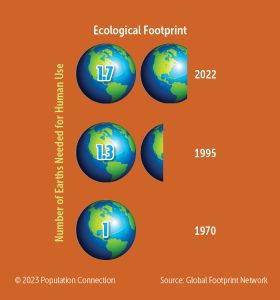 Today we consume Earth’s resources 80% faster than they can be replenished. This essentially means we are using nearly two Earths’ worth of resources each year. And this consumption is only expected to get worse. The UN asserts that if global population reaches 9.8 billion by 2050 as predicted and we maintain current habits, we will need the equivalent of almost three planets to support us. Clearly, we have a consumption problem.
Teaching About Consumption
Teaching about consumption is not only critical for the health of the planet, but it is a natural way to promote interdisciplinary learning about real-world challenges. Exploring where products come from, how natural materials are processed, and what happens to our goods after they are disposed of integrates geography, environmental science, and economics in a meaningful way.
This spring, we will explore the topic of consumption from all angles. Whether investigating climate change, pollution, or biodiversity loss, we’ll dig into how our behaviors as individuals, corporations, governments, and a society at large impact the health of the planet.
Don’t miss these resources, just in time for Earth month!
Stay tuned to our blog: we’ll explore topics like how to calculate per capita consumption of water, electricity, and food. We’ll also be looking at links between overconsumption and climate change and will share documentaries and other media that can help you teach about overconsumption with your students.
Check out our social channels: there’s a lot out there on how to teach consumption. Let us do the vetting so you don’t have to. We’ll share our favorite PopEd lessons like Timber! alongside materials from other reputable groups, like this collection of teaching resources from the Global Footprint Network, to help make teaching about consumption trends easy.
Sustainable Consumption for People and the Planet: Webinar for K-12 Teachers
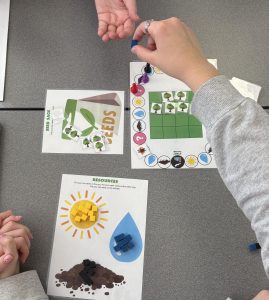 This Earth Day we’re hosting a free virtual Earth Day workshop highlighting K-12 lessons that connect human consumption, natural resources, and real-world environmental solutions. Learn how to conserve limited fresh water with the lesson Water, Water Everywhere, cooperatively restore a forest in Lessons from the Lorax, and analyze the life cycle of a T-shirt in the lesson Secret Life of Tees. The focus throughout is on exploring solutions – how we can reduce waste, rethink product lifecycles, and design more sustainable systems to balance human needs with the health of the planet. Register today and walk away with loads of lessons for teaching consumption trends to K-12 students.
Consumption is a far-reaching topic and that’s exactly why it’s critical to teach. By engaging students in these conversations, educators can empower young people to think critically about the resources they use and the role they can play in creating a more sustainable future.