



Nearly 60% of infectious diseases have been exacerbated by conditions created from climate change – things like more intense summers, rising temperatures, changes in precipitation patterns, and more severe weather events. These factors have created environments where people are at greater risk of being exposed to vector-borne, airborne, and waterborne diseases.
Regions with limited access to resources and infrastructure are at particular risk to these climate change induced diseases. Therefore, it is important to learn about how climate change affects the health of humans on both local and global scales.
This blog explores how climate change has increased the risk of infectious diseases.
Vector-borne Diseases and Climate Change
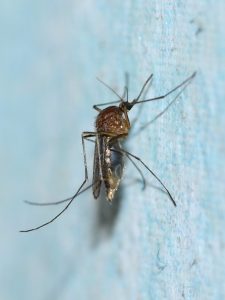 What is a vector-borne disease?
Vector-borne diseases are those that are transmitted by disease-carrying insects such as ticks, mosquitoes, or parasites. Common examples of vector-borne diseases include Lyme disease, malaria, dengue fever, West Nile virus, and Zika virus.
How has climate change increased the spread of vector-borne diseases?
With climate change intensifying, disease-carrying insects have grown in population and with them, the infectious pathogens they carry. They are now surviving in areas and seasons where they couldn’t previously, and are expanding their presence to non-native geographic regions.
Example: Ticks
For instance, ticks are blood-feeding parasites that thrive in warm, humid climates. As temperatures have increased and rainfall patterns changed due to climate change, ticks have become more prevalent throughout the year. Warmer temperatures have shortened the incubation period of viruses carried by ticks, and hotter seasons have increased their density in warm environments.
Urban expansion into forest areas has also increased human’s exposure to ticks. As urban developments have increased, humans are in closer contact with animal habitats. Increased contact with animals that are frequently exposed to ticks, particularly deer and rodents, have increased tick transmitted diseases in humans.
Vector-borne diseases comprise more than 17% of infectious diseases annually around the globe. These diseases include Lyme disease, Powaddan virus disease, anaplasmosis, and more.
Airborne Diseases and Climate Change
Climate change trends have also increased the spread of airborne diseases. Airborne diseases are illnesses transmitted by inhaling infectious germs.
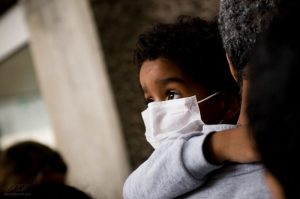
Rising temperatures let airborne diseases survive
Due to rising temperatures, substances that can transmit airborne diseases are now persisting in areas that were previously too cold for survival.
Example: Valley Fever
For example, valley fever is contracted by fungi that thrive in dry, hot environments. Due to unpredictable rain patterns, droughts, and increasing temperatures caused by climate change, these fungi have a higher rate of survival and are infecting people who inhale their fungal spores. Additionally, due to increased urbanization and development, fungi causing valley fever are often being extracted from soil and their spores are dispersed into the air.
Rising temperatures send people indoors
People are also being exposed more frequently to airborne pathogens indoors as climate change increases. With higher temperatures and drier environments, people rely more heavily on air conditioning rather than natural ventilation. Studies have found that excessive dependence on air conditioning, particularly for hotter countries, increases the risk of airborne diseases. Over reliance on indoor air conditioning increases the accumulation of bacteria, contamination, and pathogens that support the spread of diseases like measles, tuberculosis, and influenza. This issue will continue to grow as climate change trends make it increasingly difficult to rely on natural ventilation in indoor spaces.
Waterborne Diseases and Climate Change
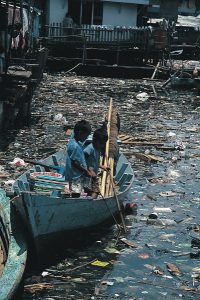 What is a waterborne disease?
Waterborne diseases are contracted by drinking or coming into contact with contaminated water.
How has climate change increased waterborne diseases?
The climate change patterns of increasing temperatures, exposure to pollutants, and extreme weather events make it more likely for pathogen-infected microbes to taint water sources. Impacts of climate change can also slow down response rates to both clean the contaminated source and to help those infected.
Examples: Cholera and Vibrio
For example, cholera is a disease that is strongly influenced by environmental conditions. Climate disasters like cyclones, droughts, and floods all limit access to safe drinking water and diminish hygienic water practices. In 2023, 45 countries reported cases of cholera. The number of countries that reported cases of cholera increased to 60 in 2024, and this trend is expected to increase even more.
Drinking contaminated water isn’t the only risk. Waterborne pathogens can also be contracted by eating undercooked or raw seafood from contaminated water. For example, vibrio is a disease-carrying germ that resides in coastal waters. Pathogens like this are most prevalent in water during warmer months, and now contaminate bodies of water for longer periods due to rising temperatures.
Changing rainfall and pollution contaminate water
Rainfall also has a strong influence on the transmission of waterborne diseases. Low amounts of precipitation lead to higher concentrations of pathogens in water. Too much rainfall can wash harmful substances from the surface, like dangerous pollutants, sewage, or bacteria, into sources of drinking water. For example, diseases like typhoid, polio, and hepatitis A are most commonly contracted by drinking untreated water that is contaminated with fecal matter. As rainfall increases in intensity, duration, and frequency due to climate changes, risk of sewage reaching sources of drinking water increases. In areas where water is poorly managed or is left untreated, people are more at risk for diseases.
Learning about Human Health and Climate Change
Climate change not only weakens the health of the planet, but it also weakens the health of humans.
- Due to global warming, disease carrying insects are persisting and increasing the transmission of vector-borne illnesses.
- Rising temperatures are also increasing the spread of infectious spores in the air and limiting people’s use of natural ventilation.
- With unpredictable changes in rainfall patterns, water sanitation diminishes and prolongs the presence of waterborne pathogens.
These alarming infectious disease rates show the importance of learning about the negative impacts of climate change. By teaching students about climate change, PopEd helps students make eco-friendly decisions, and become changemakers and champions of global sustainability.
Want to teach about the science behind rising temperatures, changing weather patterns, and their impacts on ecosystems and communities? Check out our high school unit on Climate Change.
Frequently Asked Questions: Climate Change and Infectious Diseases
How does climate change affect infectious diseases?
Climate change affects infectious diseases by creating environmental conditions that help pathogens and disease-carrying organisms survive and spread more easily. Rising temperatures, changing rainfall patterns, and more frequent extreme weather events can increase the risk of vector-borne, airborne, and waterborne diseases. As climate conditions change, some diseases are also expanding into regions where they were previously uncommon.
What are the most common vector-borne diseases affected by weather patterns?
Many vector-borne diseases are influenced by weather conditions, including Lyme disease, dengue fever, malaria, West Nile virus, chikungunya, and Zika virus. Temperature, rainfall, and humidity can all affect the survival and movement of the insects that carry these diseases.
Can climate change lead to the emergence of new vector-borne diseases?
Climate change does not directly create new diseases, but it can increase the spread of existing diseases into new geographic areas. As ecosystems change and disease-carrying insects move into regions where they were not previously found, populations may face exposure to diseases that were once rare or absent in their communities.
What are waterborne diseases, and why are they affected by climate change?
Waterborne diseases are illnesses spread through contaminated water. Climate change can increase the risk of these diseases through flooding, droughts, and changing rainfall patterns that affect water quality and sanitation systems. Examples include cholera, hepatitis A, typhoid fever, and other illnesses linked to unsafe drinking water.
How do rising temperatures affect airborne diseases?
Rising temperatures can create conditions that help certain airborne pathogens survive longer or spread more easily. Climate change may also increase reliance on indoor cooling systems, which can reduce ventilation and contribute to the transmission of airborne illnesses in some settings.
Image credits: Mosquito (Mosquito by Chik_v is licensed under CC BY-SA 2.0.); Masked child (Dans l’air du temps (d’actualité) by Xavier Donat is licensed under CC BY-NC-ND 2.0); Water pollution (Stephen Codrington, CC BY 2.5, via Wikimedia Commons)