



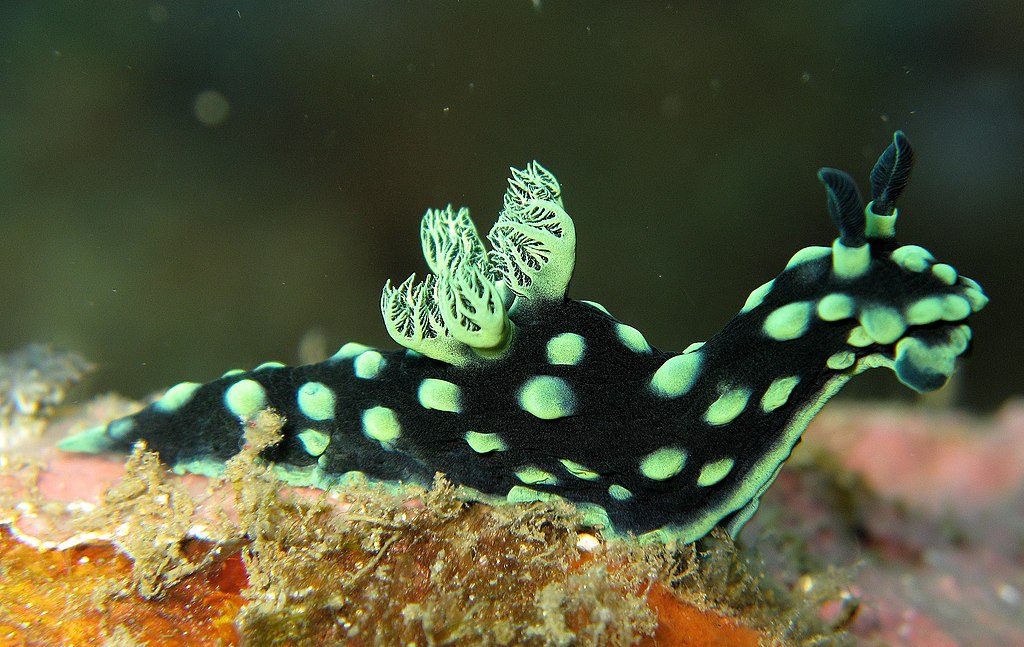
I’ve always been fascinated with the vastness of the ocean and the sheer amount of life it contains. Did you know that even though fish are often the first animals that come to mind when we talk about the ocean, they only make up about 3% of all living marine organisms? The exact number of species in the ocean is unknown – after all, it’s estimated that only one fifth of the ocean has been explored – but some scientists estimate the ocean contains anywhere between 500,000 and 10 million species. This includes sharks, rays, corals, crabs, sea stars, anemones, sea slugs, octopuses, whales, seabirds… and so many more life forms we can’t see or simply don’t know about! The ocean contains 80% of the entire planet’s biodiversity, making aquatic biodiversity – from coastal reefs to deep-sea ecosystems – not only beautiful, but vital for planetary and human health.
Services Provided by Marine Biodiversity
Biodiversity of ocean species is critical for maintaining a balanced and healthy ocean ecosystem. It is also inextricably linked to human life on land and is a massive resource for communities across the globe. It provides us with many benefits that, while necessary for life, may seem intangible: oxygen, carbon sequestration, climate regulation, and more. For example, an estimated 50-80% of the planet’s oxygen comes to us courtesy of the many photosynthetic marine organisms that inhabit the ocean. But when we examine more tangible benefits, ocean biodiversity also plays a huge role in providing for people’s food security and livelihoods worldwide.
Marine Ecosystems as a Foundation for Global Food Security
Perhaps the most obvious benefit marine biodiversity provides for humans is a food source. How many different kinds of seafood do people eat? There are hundreds of species of fish that are caught for human consumption, as well as shellfish like shrimp, crab, lobster, and more. Then there are bivalves – clams, mussels, oysters, and scallops are delicacies in many different cuisines. Conch and sea snails are good sources of amino acids and other nutrients. Cephalopods, like octopus and squid, are popular across the globe.
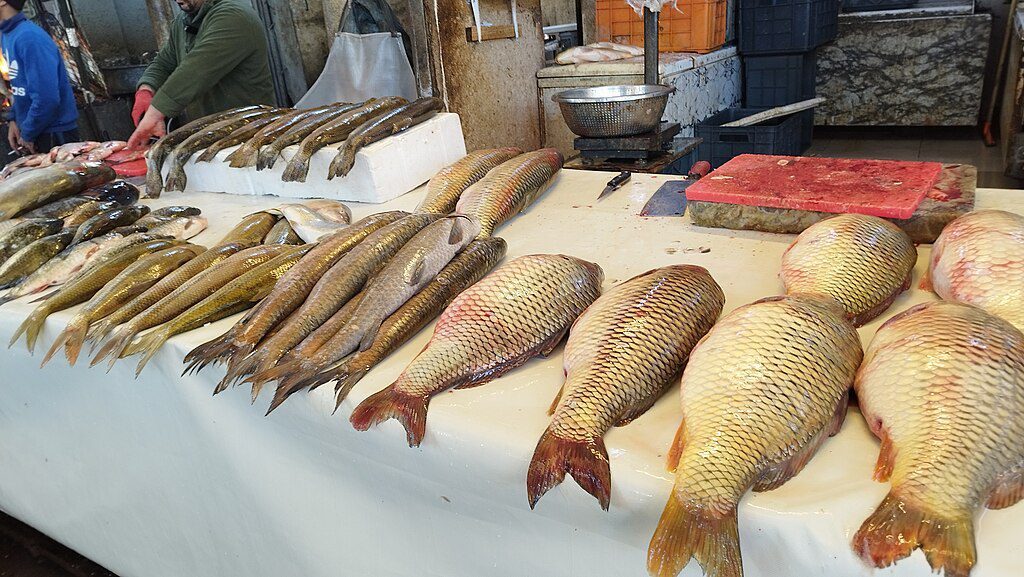
If we turn to aquatic plants, seaweeds are a great source of fiber, fatty acids, and vitamins, and are eaten in many coastal and island societies. Even nutritional supplements, like fish oil and kelp, come to us from the ocean. With the sheer diversity of seafood that humans harvest and consume, it’s no wonder that ocean biodiversity has such a colossal impact on people’s lives.
The connection between fisheries and food security is especially clear in coastal and island communities, where fish provide both essential nutrition and livelihoods.
Consider the following:
- It’s estimated that 40% of the global population lives within 100km of the coast.
- Over one-third of the global population relies on fish as their primary source of protein.
- About 60 million people rely on wild fisheries for jobs.
- Seafood provides an income for 10-12% of the global population.
The Decline of Marine Life
Sadly, ocean biodiversity is on a major decline. This loss of marine biodiversity threatens not only marine species, but the stability of entire ecosystems and the human communities that depend on them. According to the Marine Stewardship Council, marine shark and ray species have declined by 71% since the 1970s. Coral reef ecosystems are especially at risk: the UN Ocean Conferences says 60% of coral reefs are currently threatened by warming ocean temperatures and other human-driven factors. By 2050, 100% of coral reefs may be at risk of extinction. In fact, species in these ecosystems could be going extinct before they’re even discovered. Declining fish stocks, coral bleaching, and species loss act as environmental health indicators, signaling broader stresses on the planet’s climate and life-support systems.
Multiple factors are contributing to this decline in marine biodiversity, including climate change, ocean warming, ocean acidification, and habitat loss. However, unsustainable fishing practices are one of the biggest drivers of marine population declines.
Destructive Fishing Practices that Endanger Marine Biodiversity
Here are some surprising (and scary) facts about overfishing:
- One third of today’s fisheries are pushed beyond their limits, and the number of overfished stocks globally has tripled in the last 50 years. (WWF)
- Today’s global fishing fleet is more than double what is needed to sustain our human population.
- In 2018, wild capture fisheries worldwide had a total catch of 96.4 million metric tons – and no other global sector comes close to removing as many wild animals anywhere else on the planet. (Nature Conservancy)
- Bycatch, or unwanted catch, makes up over 9 million metric tons, or 10% of the annual catch, which is discarded every year. Bycatch is not limited to just fish; thousands of turtles, seabirds, porpoises, and many other marine animals are mistakenly caught and discarded every year. (Marine Stewardship Council)
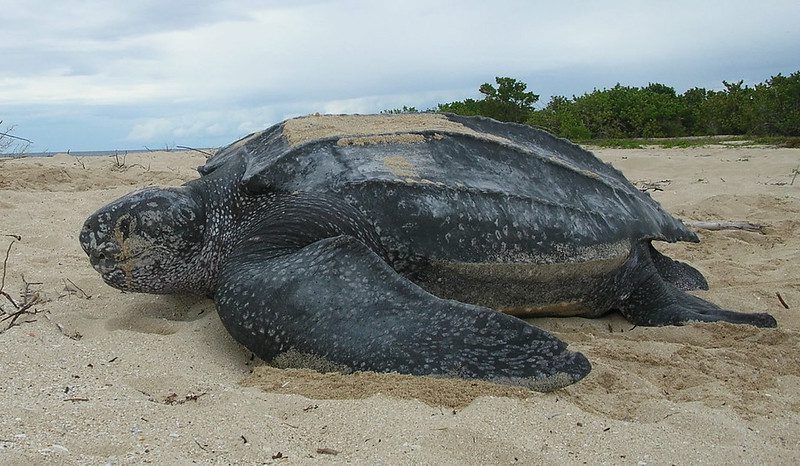
Overfishing doesn’t just affect the number of animals that are caught. When significant portions of a population are removed, the remaining population may be altered in a number of ways, including body sizes, reproductive rates, and maturation rates. These changes will affect any species that prey upon that population, sending ripple effects throughout the entire ecosystem – fish, humans, and all.
Finding the Solutions
The threats to our ocean’s biodiversity have drastic impacts on both ocean wildlife and human communities everywhere. Thankfully, actions are already being taken to address this looming threat.
Protecting Biodiversity Through Smarter Ocean Governance
Organizations like the Nature Conservancy, the Ocean Conservancy, the Marine Stewardship Council, the UN Foundation, and others are working with governments, fisheries, and communities worldwide to promote sustainable fisheries management while balancing the needs of the people. This is done by engaging with local fishermen and women and seafood buyers, employing new technology at fisheries to accurately monitor fish catch and minimize bycatch, cutting off access to illegal fishing, implementing capacity-building programs, and more. Many of these efforts depend on international ocean governance, where countries collaborate to manage shared waters, regulate fishing practices, and protect migratory species that cross national boundaries.
How Individuals Can Support Ocean Biodiversity
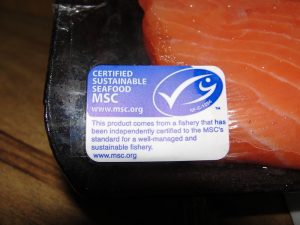
Individuals and families can protect ocean biodiversity with their own actions too. When purchasing seafood, look for items that have a sustainable seafood label, such as the MSC blue fish label. Seafood products marked with this label come from fisheries that have been assessed for their management and wider environmental impacts and have been certified sustainable.
Taking steps to reduce your carbon footprint and cut down on single-use plastics will also protect the habitat of thousands, if not millions of species. And of course, promoting ocean literacy in schools and communities is always valuable.
We Protect Ourselves by Protecting the Ocean
On the surface, protecting ocean biodiversity can seem like solely an environmental issue. It’s important for us to remember that, as a species that regularly interacts with the ocean and relies on it for survival, we humans are part of this marine ecosystem as well. And ultimately, sustainable ocean management ensures that marine ecosystems can continue to provide food, livelihoods, and climate regulation without being pushed beyond their limits.
By working together to minimize our impacts and support sustainable fishing practices, we can protect our communities while ensuring our ocean’s beauty endures for generations to come.
Frequently Asked Questions About Marine Biodiversity
What is marine biodiversity and why is it important?
Marine biodiversity refers to the variety of life in the ocean, including fish, invertebrates, plants, mammals, and microorganisms. This biodiversity supports healthy marine ecosystems, provides food and livelihoods for billions of people, and plays a critical role in climate regulation, oxygen production, and carbon storage.
What is causing the loss of marine biodiversity?
The loss of marine biodiversity is driven by multiple human activities, including overfishing, habitat destruction, climate change, ocean warming, pollution, and ocean acidification. Unsustainable fishing practices and bycatch are among the most significant contributors to declining marine species populations worldwide.
Why is international ocean governance necessary?
Because oceans cross national borders, international ocean governance is essential for managing shared resources, protecting migratory species, combating illegal fishing, and addressing global threats like climate change. International cooperation enables coordinated action across countries and regions.
How does sustainable ocean management protect biodiversity?
Sustainable ocean management uses science-based decision-making to regulate fishing, protect habitats, and reduce pollution. By aligning conservation goals with human needs, it helps prevent ecosystem collapse while supporting long-term food security and economic stability.
How can individuals help protect marine biodiversity?
Individuals can support marine biodiversity by choosing sustainably sourced seafood, reducing plastic use, lowering carbon emissions, supporting conservation organizations, and promoting ocean literacy in their communities.
Image credits: Nembrotha cristata (Steve Childs, CC BY 2.0, via Wikimedia Commons); Fish at market (Abdulsalam Al Dabbagh, CC BY-SA 4.0, via Wikimedia Commons); Bleached coral (Oksana, CC BY-SA 2.5 IT, via Wikimedia Commons); Leatherback Sea Turtle (Leatherback sea turtle / Tingular, USVI by U.S. Fish and Wildlife Service Southeast Region is licensed under CC BY 2.0); MCS label (msc certification by chuck t is licensed under CC BY-NC-ND 2.0)