


The way we shop for clothes looks almost nothing like it did a few decades ago. We’re buying more clothes than ever before, and it’s never been easier to do it. With online shopping, you don’t even have to leave your couch. New styles drop daily directly to the palm of your hand, prices keep getting lower, and buying something new takes merely seconds.
But behind that convenience is a bigger question: Why are we buying so many clothes, and what do our clothing habits reveal about the deeper forces driving modern consumption?
Producing More, Spending Less
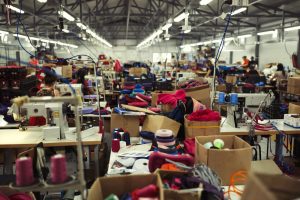
Clothing production has skyrocketed in recent years. Globally, more than 100 billion garments are produced each year. If stacked, they would reach halfway to the moon! Part of the reason for this extreme excess is that clothes have gotten much cheaper to make. Global supply chains, synthetic fabrics, and large-scale manufacturing have driven costs down to the point where a t-shirt can sell for just a few dollars and still make a profit.
This means that though Americans are buying way more, they are actually spending a smaller share of their income on clothes than previous generations did. The U.S. Bureau of Labor Statistics estimates that apparel spending is around 2–3% of average household spending, a steep drop from 10.4% in the 1960s.
With clothes now more affordable, our purchases have surged.
The Rise of Fast Retail
Fast-fashion retailers like Zara and H&M, as well as newer ultra-fast-fashion brands like Shein, have changed how clothing is churned out and sent to market.
Instead of releasing a few seasonal collections each year, many companies now launch new styles weekly, or sometimes even daily. This rapid production model allows brands to respond quickly to trends and keep prices low.

Social media has been a major accelerator to the current state of overconsumption. Companies are using users’ specific browsing behavior, location, and interests to serve highly personalized ads. “Haul” videos, where creators showcase large clothing purchases, often from a single online order, don’t just encourage more buying; they reinforce it. This dynamic also promotes a sense of immediacy for buyers where consumers are under constant pressure to keep up with ever-changing fashion trends.
How Much Clothes Are We Actually Buying?
With cheaper prices and the pressure of fast-fashion, it’s no wonder we’ve seen a dramatic upswing in how much we consume.
The average American now buys roughly 53–58 new clothing items per year. This is nearly double what people purchased in the early 2000s, according to a 2024 report from the United States Public Interest Research Group, Inc.
However, we are wearing these garments less frequently. The number of times a garment is worn before being discarded has declined by approximately 36% over the past 15 years, with some estimates suggesting as few as seven wears per item.
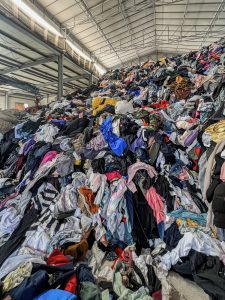
Americans discard 17 million tons of clothing and textiles each year, and 65% of garments are thrown out within a year of purchase. Those numbers are impossible to ignore. Research suggests that meeting climate goals would require limiting new clothing purchases to no more than five items per year. A 5-item yearly limit is a shocking 90% fewer than the average American currently buys today.
The Shift From Value to Volume
 The dramatic shift in clothing consumption in recent years reflects a broader pattern in consumption: when goods become cheaper and more abundant, they are often used for shorter periods.
Price has always been the primary factor in a purchasing decision, but now, prices are pushed so low that buying feels disposable. If your lunch sandwich costs more than the shirt you’re wearing, you likely won’t put much value on the shirt. When paired with ease of access, such as shopping from the comfort of home, shoppers are subconsciously encouraged to make frequent, spontaneous purchases.
Unlike in recent history, clothing quality is no longer expected to last. It is now just expected to meet short-term needs. Brand loyalty, trust once built over years of consistent quality, has been replaced by visibility on social media, such as an influencer’s post.
Today’s model reduces the friction from buying more and more. Together, these shifts have turned purchasing from a thoughtful decision into an afterthought, driving the cycle of overconsumption. And our fashion choices have impacts far beyond our personal style. Producing more clothing places further strain on resources, such as water, energy, and raw materials, and contributes to increased textile waste. In order to achieve a sustainable future, it is critical to be aware of, and resist, the forces that are driving our consumption culture.
Bringing It Into the Classroom
Clothing is something every student can relate to, which makes it an easy entry point for exploring consumption. That direct connection gets students to think not only about “why do I buy what I buy?” but also about “what does that mean for the planet?”
Teachers can help students think critically about broader systems by starting with reflection. Before analyzing data or concepts, ask students to consider their own wardrobes: How many items of clothing do they own? How often do they buy something new? Where do they think their clothes come from, and where do they go when they’re discarded?
Lessons like Waste A-Weigh, and Secret Life of Stuff (along with Secret Life of Tees) make big concepts like overconsumption, personal resource use, and sustainability relatable to students’ everyday lives and choices.
 Rethinking Consumption
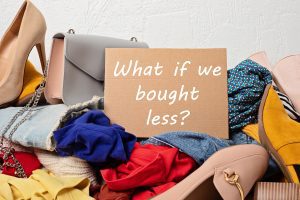
Rethinking consumption starts with understanding the forces that influence what we buy. When students recognize these overconsumption patterns, they’re better prepared to make thoughtful decisions and imagine more sustainable ways forward.
FAQs on Eco-Shopping Habits
How is global warming affected by our shopping habits?
Every product we buy requires energy and resources to manufacture, package, and transport, which can contribute to greenhouse gas emissions. Buying more than we need, choosing fast fashion, and relying on products with excessive packaging all increase the pressure on the planet. By making more thoughtful choices – such as buying fewer, longer-lasting products and supporting sustainable brands – we can help reduce our environmental impact and slow the effects of climate change.
Image credits: Garment factory (138024548 by nd3000 | DepositPhotos); Closet full of clothes (502970726 by [email protected] | DepositPhotos); Mountain of second-hand clothes (745880146 by tokyoarcade | DepositPhotos); Sign on clothes (546123170 by Netrun78 | DepositPhotos)