



Do you want to try place-based learning in your classroom, but don’t know where to start? You don’t have to reinvent your curriculum. This blog will share six strategies for implementing localized learning. Whether simply reframing your current content or facilitating student-led projects that help connect classroom content to students’ lives, the ideas below will make learning more meaningful and memorable while building skills beyond the classroom.
6 Place-Based Learning Projects that Strengthen Community Connections
If you’re wondering, “what are some easy ways to introduce place-based education without redesigning my whole curriculum?” – here are six simple strategies to get you started.
1. Build Classroom Community
A great place to start with place-based learning is to foster and build a sense of community within your class. Celebrate cultures and experiences that make up your classroom community and have students share their stories. Create space for students to reflect, draw, and journal on how their own place story impacts their lives and identity. Building a foundation for students’ unique place story helps them think deeply about their personal connections to classroom content.
2. Incorporate Community Stories
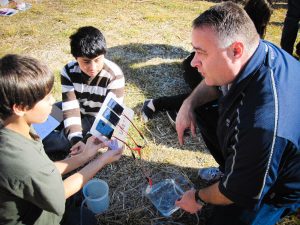 Bring speakers into your classroom to hear stories from community members, adding depth and relevance to what your students are learning. Reach out to your parent and caregiver community to let them know you hope to incorporate more community speakers into your course curriculum, and ask if anyone would be willing to volunteer. You could add this question in a parent survey at the beginning of the year or include information in the class newsletter. Alternatively, plan a field trip to a local business, historical site, nature area, or community center to hear stories from local experts.
 3. Use Local Examples
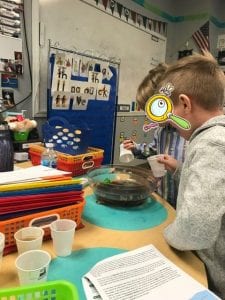
Use the names of community members, places, businesses, and natural places instead of generic names in lessons, and connect how they contribute to the local area. Sometimes, this can be as simple as swapping the names out in a story or activity. For example, in the Population Education lesson, Who Polluted the Potomac, it is encouraged to change the names in the story to reflect your local history, which will give the story more meaning for your students. Or, as an extension after doing the lesson, Web of Life, students can create a story about their local ecosystem and the animals that live in it.
4. Create Maps of Your Community
Have your students create a visual of their community. By teaching mapping skills through place-based projects, they can connect academic content to places they see every day. One way they can do this is to design StoryMaps of the businesses, landmarks, and other local areas. You could also have students complete a case study using data from their community, or use one of the classroom activities already created in the ESRI StoryMap collection for schools. While exploring community places online or in person, have students reflect on how places in their community contribute to their own place stories, strengthening connections to their community and to the lesson objectives.
5. Collect & Analyze Local Data
You don’t have to travel far to gather local data for a place-based exploration. Citizen science projects are data-driven activities in which students compare data from their own area with data from around the world to identify trends and similarities. These experiences reinforce the idea that what happens locally connects to and impacts our global society. The lesson In Search of Sustainable Life offers another way to bring in local data into the classroom. In the activity, students create a class sustainability index and use it to measure where their community could be more sustainable. Both of these data-driven activities are cross-curricular, improve problem-solving and critical thinking skills, and promote civic engagement at the local level.
6. Take Learning Outside
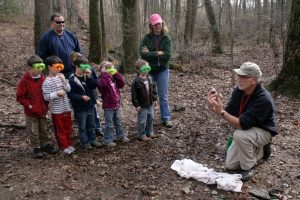
Complete a journaling activity, art project, or scientific exploration outside at the beginning of class. Spending dedicated time learning outdoors can improve students’ mood and overall wellbeing. Having students journal regularly outside can help them notice patterns, changes, and things they might not see without the time to reflect. For a more in-depth project, you could have your students create a video about their observations of their local environment. The World of 8 Billion student video contest is a perfect student-led project that can incorporate place-based learning, allowing students to identify regional challenges and explore how they connect to a global context.
Simple Ways to Teach Using Your Local Community
By incorporating these six easy place-based strategies into your lessons, your students will see themselves and their community in the classroom content. Research shows these types of place-based teaching strategies boost overall engagement, improve motivation, and foster active citizenship. So don’t wait to try it out – we hope you’ll use one of these simple ideas and see the difference!
FAQ: Teaching With Local Context (Place-Based Learning)
How do I start place-based learning if I don’t want to overhaul my curriculum?
Start small by adding local context to what you already teach—swap in local places, use community stories, or do a short outdoor routine. One activity at a time is enough.
How can I build a strong classroom community as the foundation for place-based learning?
Have students share parts of their “place story” through journaling, drawing, or reflection. Celebrating cultures and experiences helps students connect learning to identity and belonging.
What are easy ways to incorporate community stories into my lessons?
Invite parents/caregivers or local community members to share brief stories, or visit a nearby business, historical site, nature area, or community center to learn from local experts.
How can I use local examples in lessons without extra prep time?
Replace generic names and settings in existing activities with local people, landmarks, businesses, and natural places students recognize. This quick shift makes content feel more relevant.
How can students create maps of their community in a classroom-friendly way?
Students can map local landmarks, businesses, and community spaces using simple paper maps or digital tools like StoryMaps. Have them explain how each place connects to the lesson goals or their own place story.
Image credits: Students learn about urban farming in their community (Black Rock Solar – Urban Roots Garden Classrooms Field Trip by Black Rock Solar is licensed under CC BY 2.0); Outdoor Ed demonstration (Field Trip: First Grade Outdoor Education by woodleywonderworks is licensed under CC BY 2.0)