


People all around the world benefit from the ecosystem services provided by the ocean. According to the OECD, over 100 million people rely on the ocean for their full-time livelihood, and even those who don’t live in coastal areas benefit from the ocean’s food, carbon sequestration, and biodiversity.
Despite this importance, we continue to degrade the ocean through pollution. In 2021, people dumped 17 million tons of pollutants into the ocean, and that amount is expected to double or triple by 2040.
Curbing ocean pollution is especially challenging because ocean pollutants stem from activities like agriculture and energy production that are integral to the functioning of modern societies. Protecting the world’s ocean will require coordinated action from governments, industries, and individuals to limit the pollution that goes into the ocean and clean up the pollution that is already there.
Let’s look at some of the main pollutants threatening the world’s ocean.
Sediment Runoff: What it Means for Coastal Ecosystems
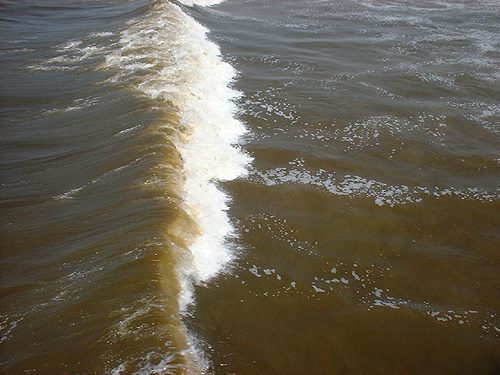
Sediment runoff is a natural process that brings nutrients to ocean ecosystems. Sediment consists of particles of soil, clay, and other natural materials that are dislodged from land through erosion, often through rainfall and other water movement. Over time, humans have greatly increased the rate at which sediment runoff occurs: in the last century, human activity has caused several times more sediment runoff than would be expected by natural processes alone. The inability of natural systems to keep up with the current rate of sediment runoff has far-reaching consequences for ocean ecosystems.
Small particulate sediment in the ocean remain suspended in the water, absorbing oxygen and preventing sunlight from reaching aquatic plants that rely on photosynthesis for food. Sediment that falls to the ocean floor smothers bottom-dwelling species and destroys breeding grounds for fish and other wildlife. When these species die off, the food web is disrupted, causing ripple effects throughout ocean ecosystems.
Why is Sediment Runoff a Threat?
Sediment runoff is also dangerous to the ocean because it brings other pollutants along with it. Chemicals from fertilizers, microplastics, and pesticides bind to sediment and are carried through water into the ocean. Some of these chemicals kill off aquatic organisms, but others massively increase the amount of nutrients found in ocean waters. This nutrient boom increases algal growth to the point that other organisms cannot survive in a process called eutrophication. The U.S. EPA estimates that at least 21 percent of all coastal waters in the United States have excess nutrients from sediment runoff.
Oil Spills and Their Long-Term Effects on Marine Life
Many people are aware of high visibility oil spills like the BP oil spill in 2010, but oil spills are a constant occurrence around the world. There are an estimated 70 oil spills every day in the United States alone. Oil spills have immediate catastrophic effects on ocean ecosystems, like killing marine birds and mammals. Even worse, oil that is left behind after spills continues to poison the ocean for years afterward.

NOAA veterinarian rescuing a turtle during the 2010 BP oil spill.
The toxicity of oil spills causes long-term damage to aquatic species’ survival. Bottlenosed dolphins and sea turtles in the area near the BP oil spill still have depressed population numbers over a decade after the spill because of increased reproductive failure. Oil spills also cause stunted growth, immune deficiencies, and birth defects in marine animals. Oil also settles along the ocean floor and inhibits crucial nutrients from being absorbed into ocean water.
Plastic Pollution in the World’s Ocean
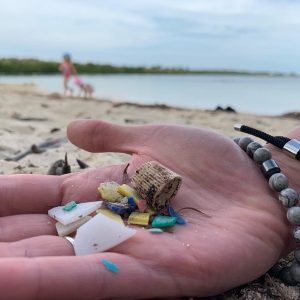 Plastic pollution is entering our ocean at a staggering rate: by 2050, it’s expected that the plastic in the ocean will outweigh all fish species. Ocean plastic causes innumerable issues for ocean ecosystems. Some species, like sea turtles, may eat plastic items instead of food and end up malnourished or even starving to death. Ocean organisms may also become tangled in plastic debris like fishing nets, keeping them from moving through the water freely. Plastics also cause hormonal disruptions that can interfere with the development and reproduction of many ocean species.
What About Microplastics?
A relatively new form of ocean plastic pollution occurs with microplastics. Microplastics are tiny pieces of plastic that are less than 5 millimeters long and are often invisible to the human eye. Some microplastics were deliberately formed by human production, like tiny exfoliator beads found in some cosmetic products, but microplastics are more often created by the breakdown of larger plastics like plastic bags and tires.
Microplastics are absorbed by ocean organisms either through ingestion or passive absorption. Once microplastics enter an organism’s body, they don’t break down like other toxins might. Microplastics instead persist in organisms’ bodies, often indefinitely, and can get communicated up the food chain when those organisms are eaten by other species, including by humans. A recent study found that 99 percent of seafood contains microplastics, and a person who eats the recommended weekly serving of seafood can consume up to 3000 pieces of microplastic per year.
What Governments Can Do to Curb Ocean Pollution
Addressing ocean pollution requires complex planning by governments, industry, and people. The most effective ways of reducing ocean pollution come from stopping sources of pollution from reaching the ocean in the first place. Many countries have enacted laws similar to the United States’s Clean Water Act, which regulates how pollutants enter all bodies of water in the United States. The Clean Water Act’s provisions on non-point source pollution are especially important for stopping ocean pollution, as this impacts pollution that comes from diffuse areas like roads, agriculture, and residential areas.
Governments are also working together to end ocean pollution. The Global Partnership on Marine Pollution and Plastic Pollution is an agreement from countries across the world to collaborate on policies that reduce ocean pollution as a whole. The partnership helps member countries share scientific knowledge and best practices about reducing our collective impact on the world’s ocean.
Ultimately, reducing ocean pollution will require significantly more work from governments and people alike. Reducing our consumption of plastics, cleaning up local beaches, and raising awareness about the impacts of ocean pollution are critical steps to ending ocean pollution for people, the planet, and the future.
Want to learn more? Read our blog on 4 Things You Need to Know About Ocean Pollution.
Image credits: Red tide from algal bloom (Red Tide in Santa Monica Bay 2 by Heal the Bay is licensed under CC BY-NC-SA 2.0); Turtle rescue (Turtle Rescue and Rehabilitation by NOAA’s National Ocean Service is licensed under CC BY 2.0.); Plastic on the beach (OceanBlueProject, CC BY-SA 4.0, via Wikimedia Commons)