



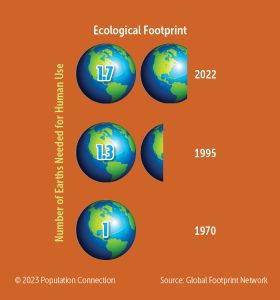
 Although consuming resources is required to sustain life, consuming them beyond what’s necessary becomes an imminent issue. Overconsumption is when people use more resources and goods than they actually need and beyond the capacity that they can be regenerated. These resources can range from water and timber to food and electronic devices.
With the growing population continuing to deplete vital resources at excessive levels, we are using nature 1.7 times faster than the Earth can regenerate. The unsustainable expenditure of these key resources has urgent environmental, economic, and social implications. This blog will explore three main drivers behind overconsumption and share some tools for teaching about this critical topic.
Definition of Overconsumption
Overconsumption is the excessive use of goods, resources, or services beyond what is necessary to meet basic needs or maintain a reasonable quality of life. It often happens when people or societies consume more than the environment can sustainably provide, leading to waste, resource depletion, pollution, and environmental damage. Overconsumption is commonly linked to consumer culture, mass production, and lifestyles that encourage constant buying and disposal.
What are the Main Causes of Overconsumption in Modern Society?
So what causes overconsumption? We most often see overconsumption happen as people become more affluent, when there is a culture of consumption, and as technological advances make it easier, and cheaper, to consume. Let’s explore these three causes of overconsumption.
Increasing Affluence and Overconsumption
Global affluence has grown over time. This rise of affluence has significantly increased the consumption of goods and resources, with affluent countries often having residents with resource intensive lifestyles, high industrial culture, and a rapid pace of production.
Unsurprisingly, high consumption trends, along with increasing global population, lead to significantly higher carbon emissions. In fact, people with income levels in the top 10% of the world emit nearly 50% of global carbon dioxide emissions; the bottom 50% of global income earners emit only 7% of global carbon dioxide emissions.
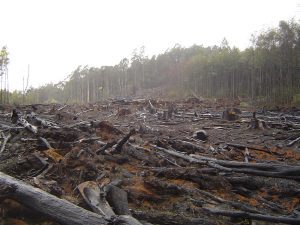
The demands of the world’s affluent also make sizable impacts on the planet’s natural spaces. Consider what we eat. Changing diets of the world’s wealthy, especially an increase in meat consumption, along with increased demand for commercial crops like soy and palm oil, has led to the rapid expansion of agricultural land. Today we lose roughly 10 million hectares of forest annually, largely due to agricultural expansion.
Not only does global affluence contribute to severe environmental issues, but it also contributes to issues regarding equity and social justice around the world. Developed and high income nations use the most resources on a per capita basis, yet developing nations are the ones who suffer the most from global overconsumption practices. Higher-income countries consume six times more resources than developing nations, yet developing nations often shoulder the burden of resource exploitation, poor working conditions, and the impacts of climate change.
Consumer Culture and Overconsumption
We live in a consumeristic economy where corporations push for fast production cycles, design short-life products, and encourage constituents to buy more than they need. Many people feel pressure to keep up with trends, often influenced by social media and online communities where owning the latest products signals identity and status. Instead of saving for long-term goals, individuals are frequently nudged toward short-term gratification, such as upgrading to the newest phone or buying into viral trends. In fact, 55% of cell-phone users upgrade their smartphone nearly every 2 years despite their old phone still working.
Corporations reinforce this mindset by encouraging a high-speed market where people are constantly buying new items that are ultimately thrown away. Rather than prioritizing sustainability or encouraging long-lasting purchases, the modern marketplace rewards frequent buying and rapid replacement.
Overconsumption is encouraged by providing instant shipping options, advertising extreme deals on products, and creating rewards for loyal customers. Fast shipping increases carbon emissions by nearly 10-12%. In 2024, 81% of consumers were willing to increase their spending to receive free shipping.
Environmental Impacts of Consumer Culture
This kind of behavior creates a vicious cycle of increased resource extraction and growing volumes of waste, which has intensified over time. The e-waste ends up in landfills or polluting neighborhoods, communities, and homes. While landfills are low-oxygen environments that slow decomposition, organic materials still break down anaerobically, producing a greenhouse gas far more potent than carbon dioxide – methane. As more products are discarded, these emissions continue to accumulate, further contributing to climate change.
In addition to air pollution, there is an alarming amount of plastic pollution produced every year. Over 400 million tons of plastic are produced annually, and 6 million tons of plastic end up in water. People consume nearly twice as many material goods today than people did 50 years ago. As consumer culture gets worse, so will the environmental, economic, and social consequences.
 Technology and Overconsumption
Overconsumption has evolved due to technological innovation on both the supplier and consumer side. With technological advances, companies are expanding their production capacity and releasing products at much faster rates. With businesses selling their products online worldwide, it only takes a few clicks to buy products. People now have access to goods from around the globe right at their fingertips. Corporations often also exploit technology to implement manipulative marketing tactics, such as creating advertisements for targeted audiences.
Social media has made constant consumption popular with people publicizing products and services. This leads to impulse spending and normalizing the consumption of unnecessary goods. In 2025, online shopping around the world totaled to $6.42 trillion. This was an increase of 6.86% from 2024, and is expected to increase to $6.88 trillion in 2026. As technology continues to advance, e-commerce is expected to contribute to overconsumption even further.
Teaching about Overconsumption Trends
It is important to raise awareness about overconsumption trends and empower students to combat it. Population Education provides a plethora of lessons, activities, and resources that educators can use to teach students concepts surrounding overconsumption. The lessons below help students differentiate between wants and needs, demonstrate the impacts of resource extraction, and illustrate the outsize impact of global consumption trends on the world’s most vulnerable.
- Comparing Needs and Wants (Grades K-2): Students identify items presented to them as needs or wants, complete a sorting activity, and create a collage of needs and wants images.
- Mining for Chocolate (Grades 3-5, 6-8): After matching everyday products to their natural sources, students “mine” chocolate chip cookies to discover possible impacts of mining operations.
- Meat of the Matter (Grades 6-8): Students graph global meat consumption, use manipulatives to explore the environmental impact of four different types of protein, and discuss the pros and cons of a shifting global diet.
- Carbon Crunch (Grades 9-12): Students use country-level data to compare where carbon dioxide emissions are produced to where people are most vulnerable to the effects of climate change.
FAQ: Overconsumption Causes, Effects, and Solutions
What is overconsumption?
Overconsumption is the excessive use of goods, natural resources, and services beyond what people need and beyond what the Earth can sustainably regenerate. It contributes to waste, pollution, climate change, and resource depletion.
What are the main causes of overconsumption?
The main causes of overconsumption include rising affluence, consumer culture, mass production, fast shopping habits, and technology that makes buying products quicker and easier. Advertising, social media trends, and fast delivery services also encourage people to consume more than they need.
Why is overconsumption bad for the environment?
Overconsumption is bad for the environment because it increases carbon emissions, drives deforestation, creates plastic pollution, and leads to more landfill waste. It also uses up natural resources such as water, forests, minerals, and energy at unsustainable rates.
How does overconsumption affect climate change?
Overconsumption affects climate change by increasing the demand for production, transportation, packaging, and disposal. These activities release greenhouse gases into the atmosphere and contribute to global warming. The more products people buy and throw away, the greater the environmental impact.
What are some common examples of overconsumption?
Common examples of overconsumption include buying fast fashion, replacing electronics too often, wasting food, using single-use plastics, and making impulse purchases influenced by trends or online advertising. Frequent upgrades and convenience-based shopping habits are also examples of overconsumption.
Why is overconsumption an important topic for students?
Overconsumption is an important topic for students because it helps them understand how everyday choices affect the planet, society, and future generations. Learning about overconsumption can teach students to think critically about needs versus wants and inspire more sustainable habits.
Image credits: Deforestation (Deforestation by crustmania is licensed under CC BY 2.0); Online shopping (Online shopping by Robbert Noordzij is licensed under CC BY 2.0)