


Distance Learning
- Virtual Lesson Plans
- Articles
- Webinars
These teaching activities are great for at-home learning because they can either be completed online, or use few supplies or supplies commonly found at home. The lessons are fairly self-directed for students and require minimal support needed from parents.
Teachers' Favorite
Check out our most popular distance learning lesson plan

For the Common Good
In two simulation games, students determine individual short-term consumption strategies that will maximize resources for the entire group.
Go To ResourceHelpful Tools and Lists for Online Education
Do more with distance learning using these instructional guides and lesson plan template for online courses
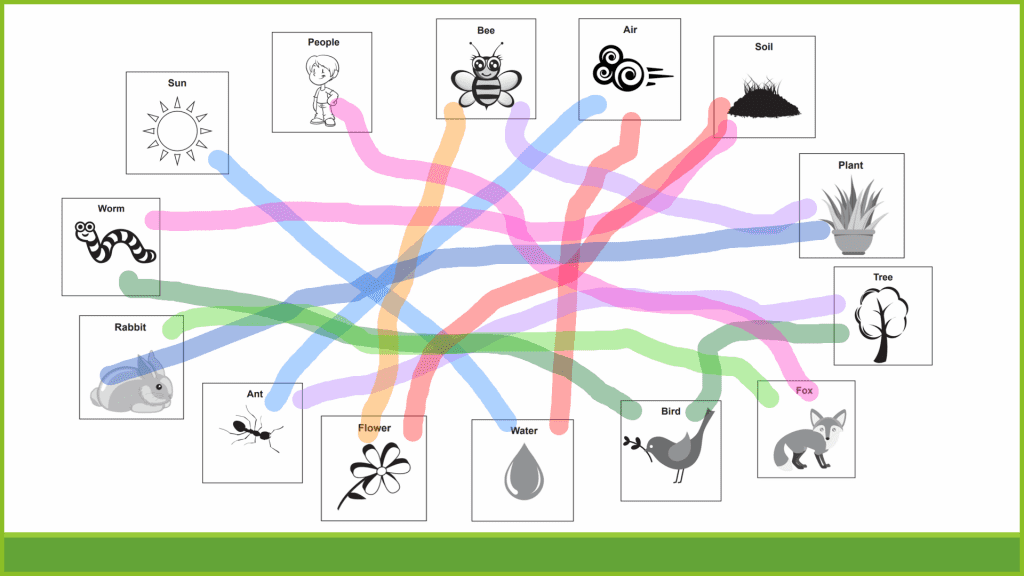
Playing games in the classroom is a great way to engage and motivate students while also teaching important content and... Read more »

Some of our most popular lessons here at Population Education are about the connection between water and population growth. With... Read more »
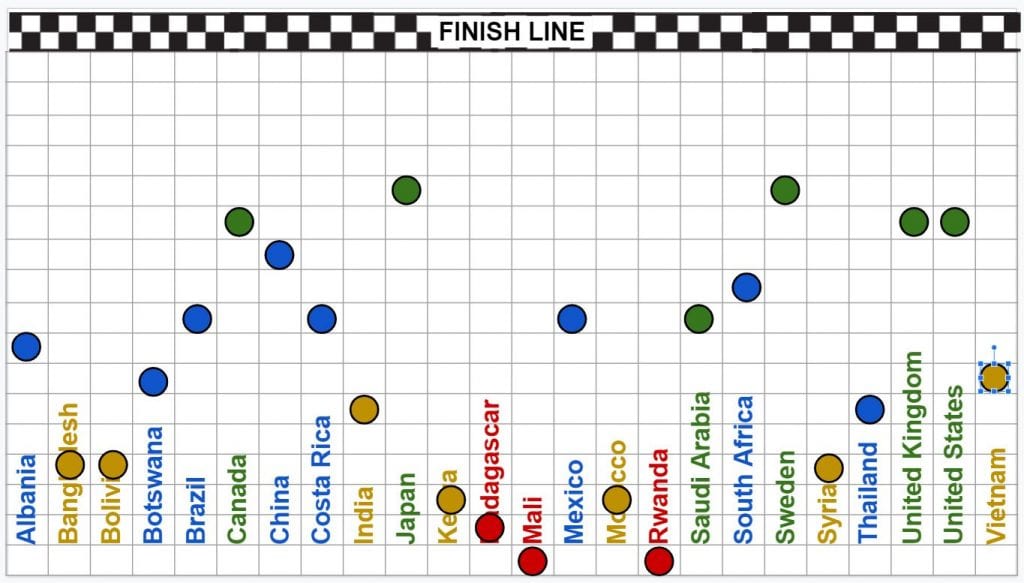
This post should help any geography teachers who are struggling to adapt some of their favorite geography lessons for distance... Read more »
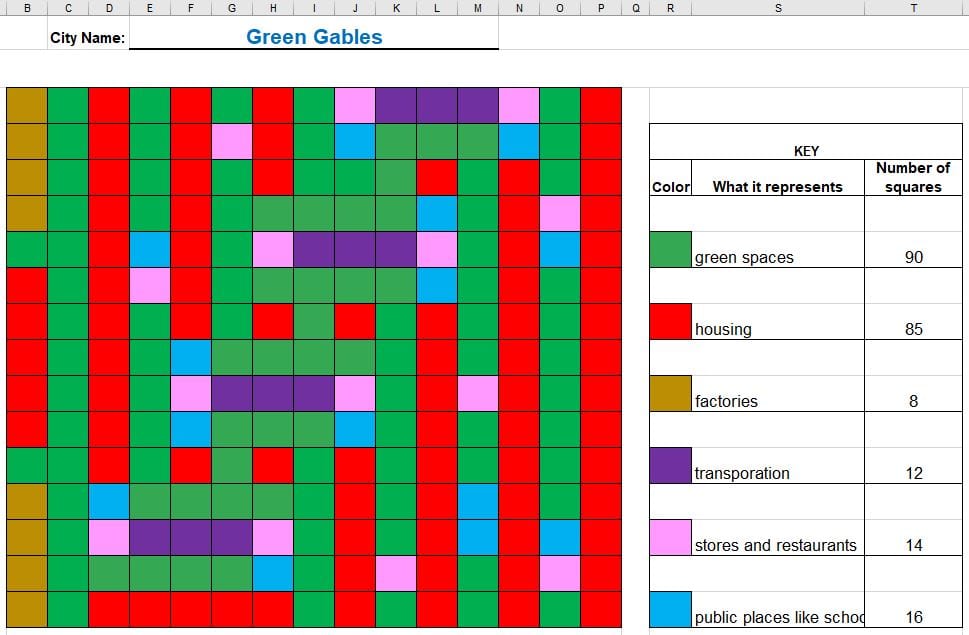
This is the second post in a three-part series on specific distance learning tools and strategies for some of Population... Read more »
This is the third post in a three-part series on specific distance learning tools and strategies for some of Population... Read more »
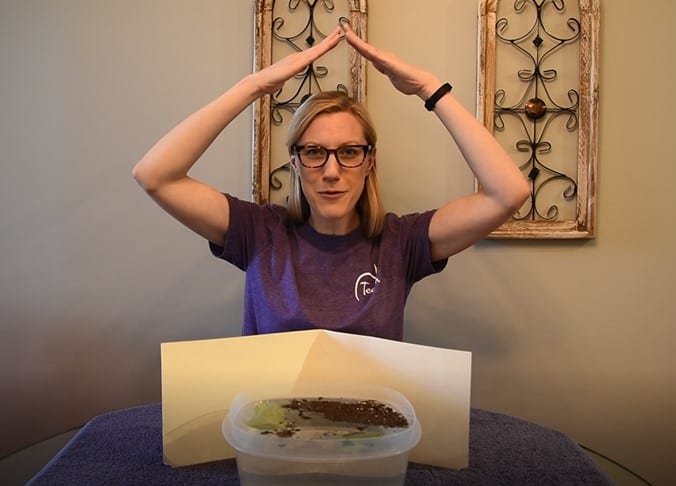
This is the first post in a three-part series on specific distance learning tools and strategies for some of Population... Read more »

We’re excited to share the following post by guest blogger Dr. Merryn Cole, Assistant Professor of Science Education at the... Read more »

Even though your teaching has moved online, you can still provide students with meaningful and memorable experiences to promote environmental... Read more »

2020 is a census year and a unique teachable moment, both for students learning online and those meeting in schools.... Read more »

In light of COVID-19 and the switch to distance learning, many parents have taken on the role of home school... Read more »

We know that a lot of teachers and families are looking for free educational resources for distance learning. And we’re... Read more »
Why populations grow is one of the most foundational questions when considering environmental and social issues, and earlier this month,... Read more »
Lesson Plans with Pre-Made Digital Tools for Online Teaching
Download the digital tools that make these activities a snap for your virtual classroom
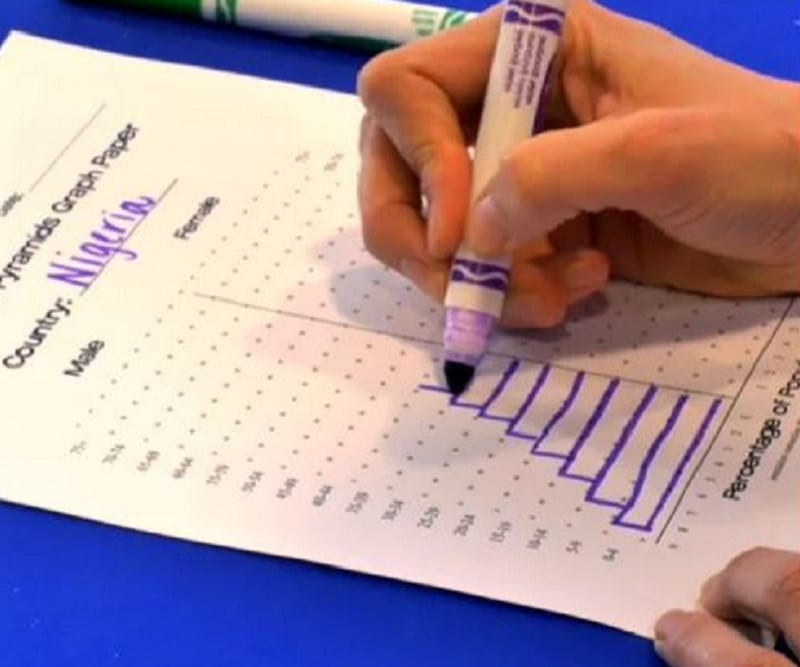
Students use real-world data to construct and interpret population pyramids for several different countries, including the U.S.


Students graph and interpret growth curves for six mystery species and humans. (Distance learning tool available below!) Students will be... Read more »

Students identify items presented to them as needs or wants, complete a sorting activity, and create a collage of images.... Read more »

Easy-to-Modify Lesson Plans for Online Teaching
These lesson plans can easily be modified for students working at home
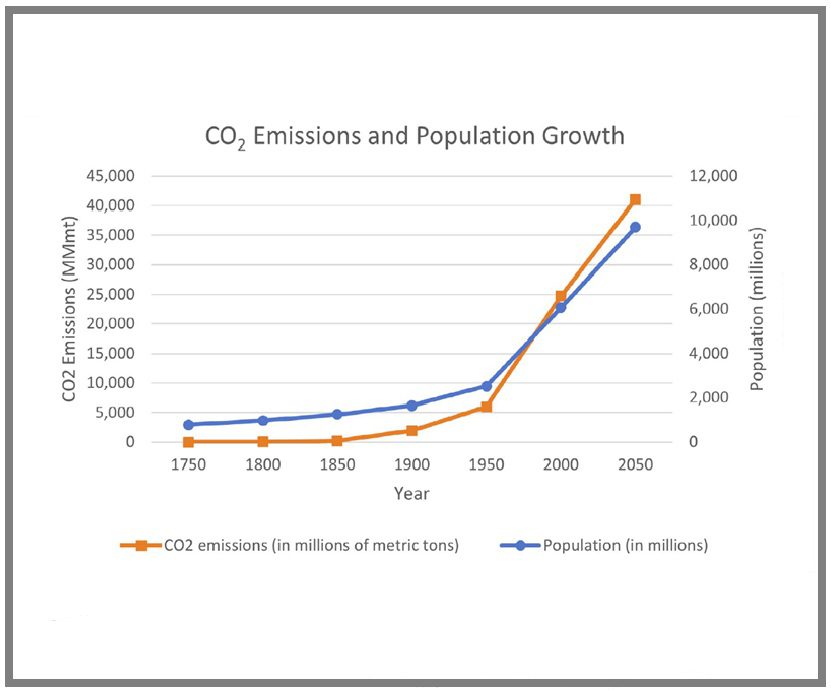
Students graph current carbon dioxide emissions and population growth over time and discuss trends they observe.

Students read and discuss a short conversation between two Ethiopian girls about attending school and read and analyze poems about... Read more »
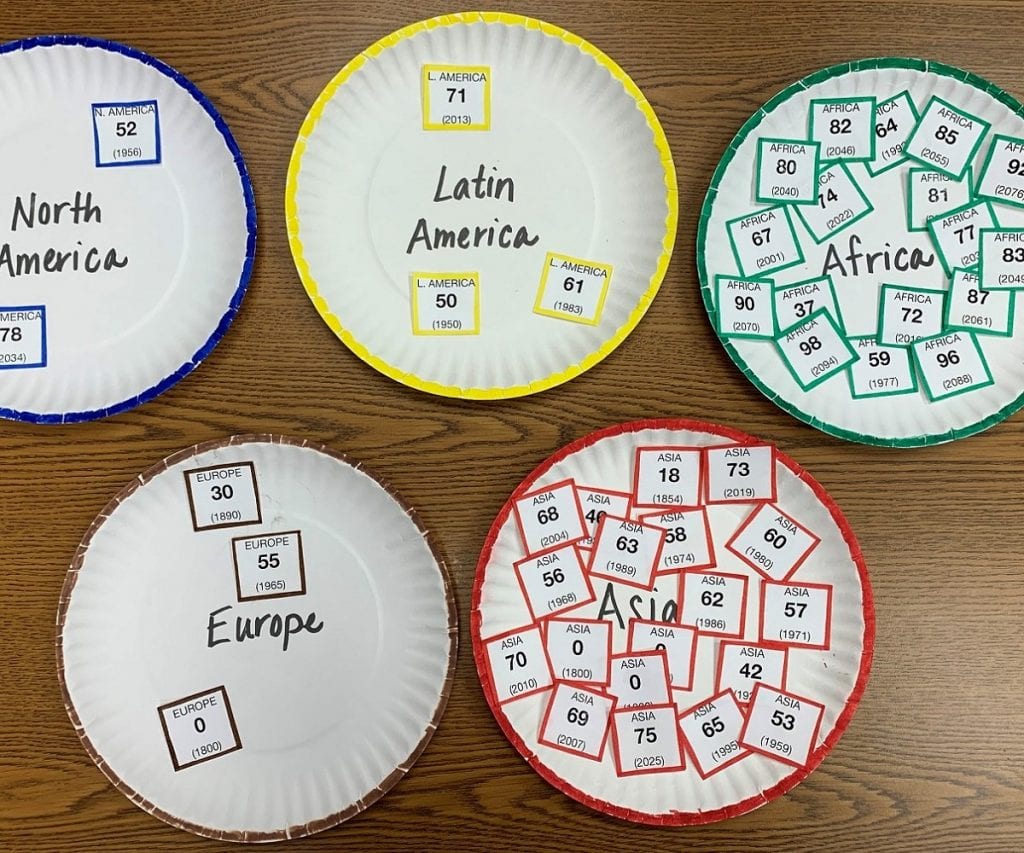
Students interpret UN population projections and visually model regional population changes from 1800 to 2100, before researching challenges to population... Read more »